





Burnout vs Anxiety: Understanding the Difference
Burnout and anxiety are often spoken about interchangeably, yet they are not the same experience. While they frequently occur together, the way they develop and present can be quite different. One of the most common questions people ask is, which is more common? From a clinical perspective, anxiety tends to appear more frequently, largely because it is easier to trigger.

Anxiety can be set off quickly. It does not always require a prolonged buildup. A stressful event, a demanding conversation, poor sleep, or even subtle nervous system overload can activate the brain’s threat response. Because anxiety is closely linked to how the nervous system processes stress and perceived danger, it can escalate rapidly when regulation is compromised. It often feels sudden, intense, and difficult to ignore.
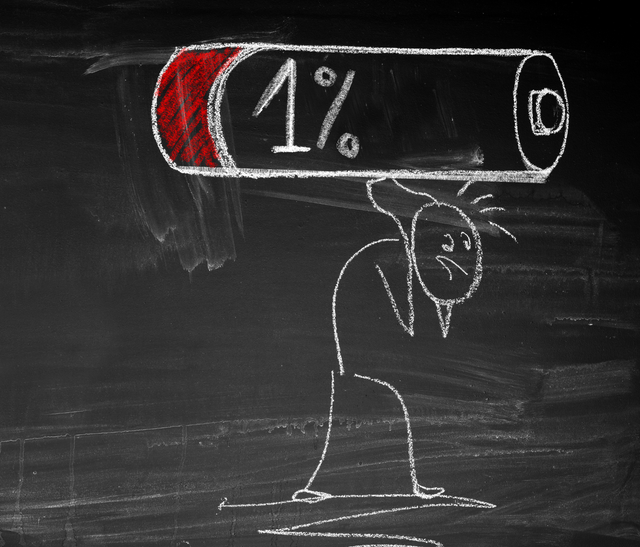
Burnout, on the other hand, is typically more gradual. It develops over time through sustained stress, emotional strain, or prolonged overload without adequate recovery.
Rather than a sharp spike in symptoms, burnout often feels like a slow depletion of energy, motivation, and resilience. There may be warning signs along the way, such as increasing fatigue, irritability, or reduced engagement, that offer an opportunity to intervene before full burnout takes hold.
Although anxiety may be easier to trigger and therefore more common, the two frequently overlap. Persistent anxiety can contribute to burnout, and burnout can increase vulnerability to anxiety. Understanding the difference allows for earlier recognition and more targeted support. When we view both through a neurological lens, focusing on stress regulation and nervous system resilience, we can intervene more effectively and prevent escalation.
Understanding whether symptoms are being driven more by anxiety, burnout, or a combination of both can be an important step toward finding the right support. If you are experiencing persistent stress, fatigue, overwhelm, or difficulty regulating anxiety, exploring how your nervous system is functioning may provide valuable clarity. If you would like help identifying the factors contributing to these patterns, you can book an appointment to assess your neurological regulation and discuss practical strategies to support recovery and resilience.
Frequently Asked Questions

Burnout develops gradually from prolonged stress and emotional exhaustion, while anxiety often appears suddenly as a heightened threat response.
Clinically, anxiety tends to appear more frequently because it can be triggered quickly by stress or nervous system overload.
Yes. Persistent anxiety can place ongoing strain on the nervous system and eventually contribute to burnout.
Persistent fatigue, loss of motivation, irritability, and emotional exhaustion are common indicators.
Improving stress regulation, restoring sleep, and supporting nervous system resilience are key recovery strategies.