





Hormones, Your Cycle, and the Brain: Understanding the Anxiety Connection
Hormonal changes are often reduced to conversations about periods, cramps, and cycle timing. Many women associate hormonal fluctuations purely with physical symptoms such as period pain, bloating, or irregular cycles. What is less commonly discussed is how profoundly hormones influence the brain. The menstrual cycle is not just a reproductive event. It is a neurological event as well.
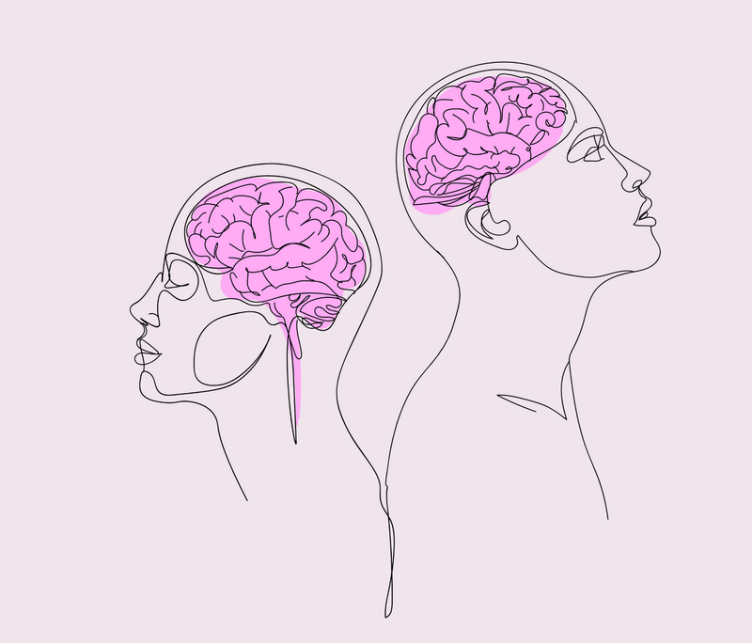
Throughout the cycle, fluctuations in oestrogen and progesterone directly affect brain chemistry, stress regulation, and emotional processing. These hormones influence neurotransmitters such as serotonin and GABA, which play key roles in mood stability and anxiety control. Around ovulation, rising and shifting hormone levels can temporarily alter how the brain processes stress and stimulation. For some women, this can manifest as unexpected anxiety, heightened sensitivity, disrupted sleep, or increased emotional reactivity.
This is why many women find themselves asking, “Why do I feel anxious during ovulation?” The answer is not simply emotional or situational. It is neurological. Hormonal shifts change how the brain regulates threat perception, autonomic balance, and resilience. If the nervous system is already under stress, these cyclical changes can amplify symptoms.
Understanding the connection between hormones and brain function reduces confusion and self-blame. If your anxiety fluctuates with your cycle, it is not random and it is not a personal failing. It reflects the powerful interaction between endocrine function and neurological regulation. When we recognise this connection, we can approach hormonal health with greater clarity, compassion, and more targeted support.
If you notice that anxiety, sleep changes, mood shifts, or stress sensitivity seem to follow patterns within your cycle, it may be helpful to explore the neurological and hormonal factors involved. Understanding how these systems interact can provide clarity and direction for more effective support. If you would like to better understand how your hormones and nervous system are influencing your symptoms, you can book an appointment to assess these factors and discuss strategies to support greater balance and stability.
Frequently Asked Questions

Hormones affect neurotransmitters like serotonin and GABA that regulate mood.
Hormonal shifts during ovulation can temporarily alter brain chemistry and stress responses.
Hormonal fluctuations throughout the cycle influence sleep, mood, and emotional resilience.
Many women experience mood or anxiety changes during specific cycle phases.
Tracking symptoms alongside cycle timing can reveal patterns.