





Why Faster Visual Processing Can Make Sport Feel Slower
One of the most overlooked aspects of performance is how quickly you can process visual information and translate it into movement. In fast-paced environments, the ability to see, interpret, and act is what separates reactive players from those who seem to always be one step ahead.
When your brain can process information more efficiently, you effectively create more time for yourself. Even though the game is moving at the same speed, your perception changes. You are able to recognise patterns earlier, anticipate movement, and make decisions sooner. This gives you a greater window to execute the physical component with accuracy and control.
This is why some athletes describe the game as feeling “slower.” It is not that the environment has changed, but that their neural processing speed has improved. With better visual tracking, awareness, and decision-making, movements become more deliberate rather than rushed. This leads to improved timing, positioning, and overall performance.
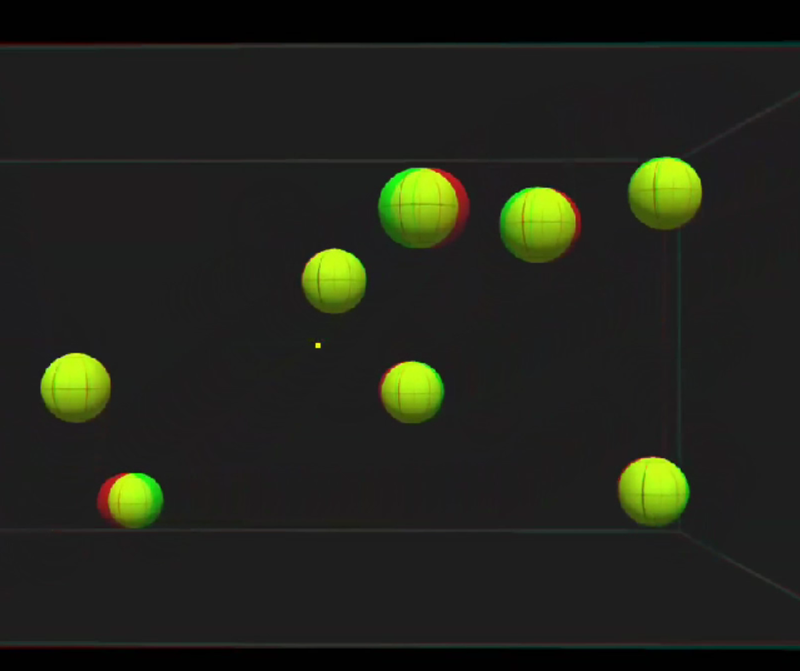
Training this connection between vision and movement can have a significant impact. By improving how quickly and accurately the brain processes information, you enhance how effectively the body responds. Tools such as Neurotracker and Neurospecs can be used to challenge visual processing, awareness, and reaction in a controlled way. When both systems are working together, performance becomes more consistent, efficient, and controlled.
If you feel like you are always reacting late or struggling to keep up with the pace of play, it may not be a physical limitation. At Spinewise, we assess and train visual and neurological performance using tools like Neurotracker and Neurospecs to improve processing speed, awareness, and reaction time. Book an appointment to help the game slow down and take control of your performance.
Frequently Asked Questions

Visual processing is the brain’s ability to interpret what you see and convert it into a meaningful response or action.
Athletes with faster neural processing can recognise and respond to situations earlier, giving them more time to act, which makes the game feel slower.
Yes. Specific training methods can enhance how quickly and accurately the brain processes visual information.
Neurospecs use stroboscopic visual training to challenge the brain’s ability to process visual input, which can improve timing, coordination, and reaction.
Neurotracker is a cognitive training tool that improves attention, awareness, and processing speed, helping athletes perform more effectively in dynamic environments.