




Why Cutting Calories Doesn’t Always Lead to Weight Loss
It is often assumed that reducing calories is the key to weight loss. While this idea seems simple, the body does not always respond in a predictable way. In many cases, cutting calories too aggressively can slow down your metabolism, making it harder to lose weight and easier to regain it over time.
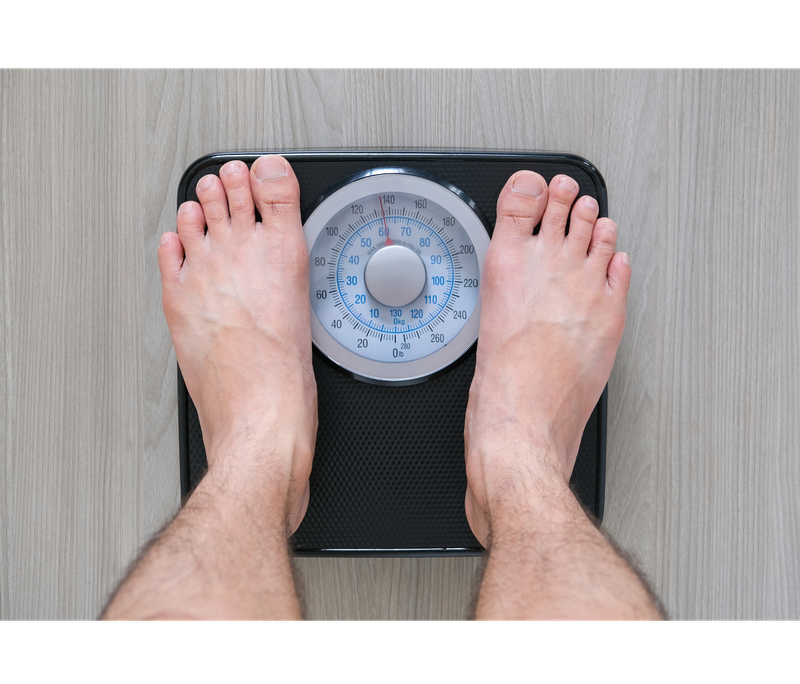
When calorie intake drops significantly, the body adapts by becoming more efficient. This means it uses less energy to perform the same functions, effectively lowering your metabolic rate. At the same time, hormones that regulate hunger and energy balance can shift, leading to increased cravings, reduced energy levels, and difficulty maintaining progress.
Another important factor is the type of weight being lost. Rapid or excessive calorie restriction can lead to loss of muscle mass rather than body fat. Since muscle plays a key role in maintaining metabolic rate, losing it can further slow metabolism and make long-term weight management more challenging. This is often why people see short-term results but struggle to sustain them.
A more effective approach focuses on supporting metabolism rather than suppressing it. This includes appropriate nutrition, balanced energy intake, and addressing factors such as sleep, stress, and activity levels. When the body is supported properly, it is more likely to regulate weight in a sustainable and healthy way.

If you feel like you are eating less but not seeing results, or your progress has stalled, there may be more going on beneath the surface. At Spinewise, we look at how your metabolism, hormones, and overall physiology are influencing your weight. Book an appointment to take a personalised approach to sustainable weight loss and long-term health.
Frequently Asked Questions

Not always. While calorie balance matters, the body can adapt by slowing metabolism, which may reduce or stall weight loss over time.
The body perceives low calorie intake as a potential threat and conserves energy by reducing metabolic rate and altering hormone function.
This refers to losing muscle instead of body fat. Muscle loss can negatively affect metabolism and make it harder to maintain results.
Focus on balanced nutrition, adequate protein intake, strength training, and gradual changes rather than extreme calorie restriction.
Rapid or aggressive dieting can slow metabolism and increase hunger hormones, making it more likely that weight will return once normal eating resumes.