





Why Iliotibial Band Syndrome May Be More Than Just an ITB Problem
Iliotibial Band Syndrome (ITBS) is one of the most common overuse injuries affecting runners, cyclists, and active individuals. Traditionally, the focus has been on the iliotibial band itself, with treatments often targeting stretching, foam rolling, or reducing local inflammation.
While these approaches may provide temporary relief, they do not always explain why the problem developed in the first place.
At Spinewise, we often see ITB-related pain as part of a larger movement pattern involving muscle fatigue, compensation, hip mechanics, and movement efficiency. In many cases, the iliotibial band may be reacting to problems elsewhere in the system rather than being the primary cause of the injury.
What Is Iliotibial Band Syndrome?
The iliotibial band is a thick band of connective tissue that runs along the outside of the thigh from the hip to the outer aspect of the knee.
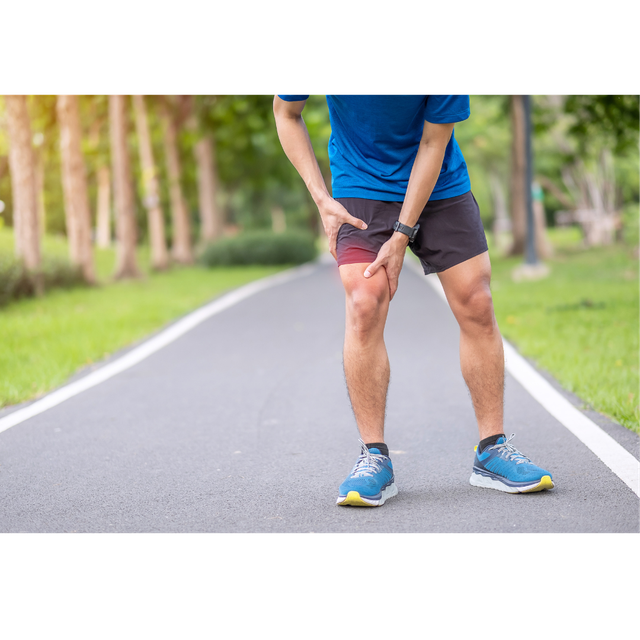
ITB-related pain is commonly felt on the outside of the knee, particularly during repetitive activities such as running, cycling, hiking, or prolonged walking. Some people may also experience discomfort around the outer hip where muscles such as the tensor fasciae latae (TFL) attach.
The symptoms often develop gradually and may initially appear only during activity before becoming more persistent over time.
How Muscle Imbalances Can Affect the ITB
The body is designed to distribute workload across multiple muscles and movement systems.
When certain muscles become less efficient due to weakness, fatigue, altered activation, or movement compensations, other muscles may be forced to work harder to maintain movement.

One common compensation involves increased reliance on the TFL, a muscle located at the front and side of the hip that connects into the iliotibial band. When the TFL becomes overactive, greater tension may be transferred into the ITB during repetitive movement.
Over thousands of repetitions, this increased workload can contribute to irritation around the hip, the ITB itself, or the structures near its attachment around the knee.
Why Fatigue Often Plays a Major Role
Many people associate overuse injuries with training volume alone. However, fatigue often has a significant influence on how the body moves.
As muscles tire, movement patterns can change. The body may recruit alternative muscles to maintain performance, even if those muscles are not ideally suited to handle the workload.
This is particularly relevant in endurance activities such as running and cycling, where thousands of repetitions occur during a single session.
When fatigue develops, compensatory muscles may gradually take on more work. Over time, this can create excessive loading in structures such as the TFL and iliotibial band, contributing to irritation and discomfort.
This is one reason ITB symptoms often appear later in exercise rather than immediately.
Looking Beyond the Site of Pain
One of the biggest mistakes people make with ITB syndrome is focusing solely on the painful area.
Although the symptoms occur around the hip or knee, the underlying contributors may involve muscle coordination, hip function, quadriceps performance, fatigue resistance, movement efficiency, balance, or nervous system control.
The iliotibial band may simply be the structure that is absorbing the consequences of a larger movement problem.
Understanding why certain muscles are becoming overloaded often provides more valuable information than treating the ITB in isolation.
At Spinewise, we assess movement patterns, muscle function, fatigue resistance, coordination, balance, and nervous system influences that may contribute to ITB-related pain. If you are experiencing recurring pain on the outside of your knee or hip during running, cycling, or exercise, book an appointment with the Spinewise team to help identify the factors contributing to the overload before it becomes a more significant problem.
Frequently Asked Questions

Iliotibial Band Syndrome is a common overuse condition that typically causes pain on the outside of the knee, particularly during repetitive activities such as running and cycling.
In many cases, yes. When certain muscles become less efficient, other muscles may compensate and become overloaded, potentially increasing stress through the iliotibial band and surrounding tissues. A professional assessment can help determine whether this pattern is present and what may be driving it.
The tensor fasciae latae (TFL) helps control hip movement and stability. It connects into the iliotibial band and can become overactive when other muscles are not functioning efficiently.
Fatigue can alter movement patterns and increase reliance on compensatory muscles. As workload accumulates, irritation around the iliotibial band may become more noticeable.
Recovery from ITB syndrome varies depending on how long symptoms have been present, the contributing factors involved, and how well these factors are addressed during rehabilitation. Mild cases may settle within a few weeks with appropriate load management. More persistent cases, particularly those driven by underlying movement inefficiencies or fatigue-related compensation, can take several months. Continuing to train through symptoms without addressing the cause may prolong recovery.
At Spinewise, we assess movement efficiency, muscle function, fatigue resistance, balance, coordination, and nervous system influences that may be contributing to ITB-related pain. This helps identify potential causes beyond the site of symptoms.