





Tight Muscles May Not Be the Problem
Tight muscles are one of the most common complaints we hear — whether it is the neck, shoulders, lower back, hips, or hamstrings. Many people assume that tightness means the muscles need to be stretched. While stretching may temporarily relieve the sensation, it does not always address the underlying reason the body became tight in the first place.
At Spinewise, we often explain that muscle tightness is frequently a symptom rather than the actual problem. In many cases, the body is creating tension for a reason, and understanding that reason can be the key to achieving lasting improvement.
Why Does the Body Create Tightness?
The body is constantly trying to keep itself safe.
Your brain receives information from muscles, joints, balance systems, vision, and other sensory inputs. When it detects instability, poor movement control, injury risk, or excessive stress on a particular area, it may respond by increasing muscle tension.

This tension is often a protective strategy. By tightening certain muscles, the body attempts to create additional support and stability around a vulnerable area.
While the result may feel uncomfortable, the tightness itself is often serving a purpose. The body is not trying to work against you. It is trying to protect you.
Tightness Is Often a Compensation
Many people view tight muscles as the cause of their problem when they may actually be a compensation for something happening elsewhere.
For example, a tight lower back may be helping compensate for poor hip stability. Tight neck muscles may develop to support changes in posture or movement control. Tight hamstrings may be responding to altered pelvic mechanics rather than simply being short muscles.
When the body senses a lack of support, it frequently creates tension to provide that support.
This is why treating only the area that feels tight can sometimes produce disappointing results. If the underlying reason for the compensation remains unchanged, the body may simply recreate the tension again.
Why Stretching Often Provides Temporary Relief
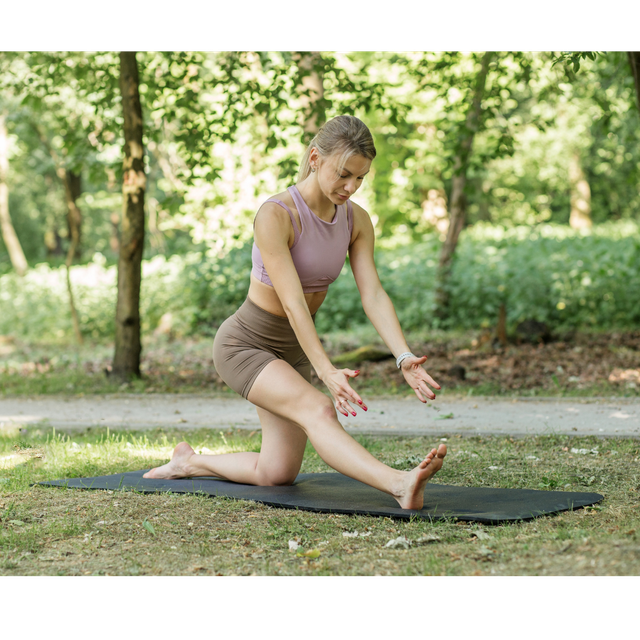
Stretching can feel good. Many people experience a temporary increase in movement and a reduction in stiffness immediately afterwards.
However, the relief often does not last.
If the nervous system believes that the tightness is necessary for protection, it may gradually restore the tension once the stretching session ends. The brain’s priority is safety, not flexibility.
This is one reason why some people find themselves stretching the same muscles day after day with little long-term change. The body continues to create tension because the reason for the protection has not been addressed.
Looking for the Cause Instead of the Symptom
When a muscle feels tight, an important question to ask is not “How do I loosen it?” but rather “Why is it tightening in the first place?”
Factors such as posture, balance, movement patterns, joint function, previous injuries, nervous system regulation, and stability can all influence protective muscle tension. Understanding these contributors can help explain why certain muscles repeatedly become tight despite regular stretching or massage.
At Spinewise, we focus on identifying the factors that may be driving compensation patterns throughout the body. Rather than simply chasing symptoms, we aim to understand why the body is creating tension in the first place. If you constantly feel tight despite stretching, massage, or exercise, book an appointment with the Spinewise team to discover what may be contributing to the protective patterns behind your symptoms.
Frequently Asked Questions

Muscles often become tight as a protective response to instability, altered movement patterns, stress, injury, or other factors that the nervous system perceives as a potential threat.
Not always. Tightness can occur even when muscle length is normal. In many cases, the sensation of tightness may be driven by nervous system activity rather than structural shortening of the tissue, which is one reason stretching does not always provide lasting relief.
Stretching may temporarily reduce tension and improve movement. However, if the body is creating tightness for protection, the nervous system may gradually restore the tension once the stretching session is over.
Not necessarily. Stretching can be a useful tool for temporary relief and movement. However, it is important to understand that stretching may not address the underlying cause of recurring tightness.
Stress is one of several factors that may contribute to increased muscle tension. The nervous system’s response to physical or psychological stress can influence how muscles are recruited and how much tension is maintained throughout the body. This is one reason people often notice tightness in the neck, shoulders, or jaw during periods of high stress, even without any change in their activity levels.
At Spinewise, we assess factors such as posture, balance, movement control, joint function, nervous system regulation, and compensation patterns that may be contributing to ongoing muscle tension. This helps identify potential causes rather than simply treating the symptom.