





Why Are the Muscles Around Your Kneecap So Important?
The muscles surrounding the kneecap play a far greater role in knee pain than many people realise. When knee pain develops, most people focus on the area that hurts. However, in many cases, the real issue may not be the knee joint itself. Instead, the muscles that control and support the patella (kneecap) can have a significant influence on how the knee functions during movement.
At Spinewise, one of the most common patterns we see with knee discomfort involves the quadriceps and other muscles surrounding the patella. While every case is different, problems involving these muscles frequently play a major role in how knee pain develops and persists.
How the Kneecap Is Designed to Move
The patella sits within the tendon of the quadriceps muscle and acts like a pulley to improve the efficiency of the knee.
Every time you walk, run, squat, climb stairs, or stand up from a chair, the muscles around the knee help guide the movement of the kneecap. Ideally, the patella should move smoothly and efficiently within its groove.
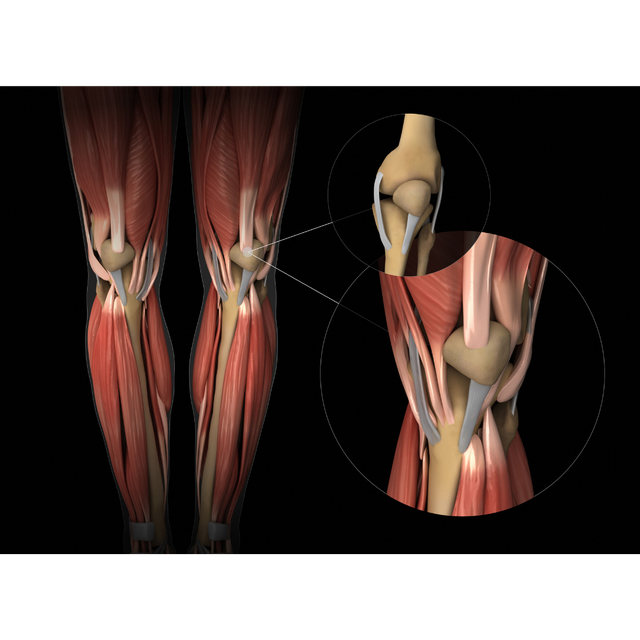
For this to happen, the muscles surrounding the knee need to work together effectively. When muscle balance and coordination are functioning well, forces are distributed evenly across the joint.
Problems can arise when one muscle group begins to dominate, fatigue, or fail to activate efficiently.
Why Muscle Imbalances Can Lead to Knee Pain
The quadriceps are made up of several muscles that work together to control knee movement.
If one part of the system becomes less efficient, the way the kneecap tracks during movement may change. Over time, these small alterations can increase stress on the tissues around the knee.
Initially, there may be no symptoms at all. However, repetitive loading through activities such as running, walking, climbing stairs, squatting, or sport can gradually irritate structures around the joint.
This is one reason knee pain often develops slowly rather than appearing suddenly after a single event.
The Knee Often Reflects Problems Elsewhere
Although the muscles around the kneecap are commonly involved, it is important not to view the knee in isolation.
Hip stability, ankle mobility, balance, movement patterns, coordination, fatigue resistance, and overall biomechanics can all influence how the knee functions. If one area of the body is not performing efficiently, the muscles around the patella may be forced to compensate.
Over time, this increased workload can affect how the kneecap moves and potentially contribute to discomfort.
This is why simply treating the painful area does not always solve the problem. Understanding what is influencing the knee can be just as important as addressing the symptoms themselves.
Looking Beyond the Site of Pain
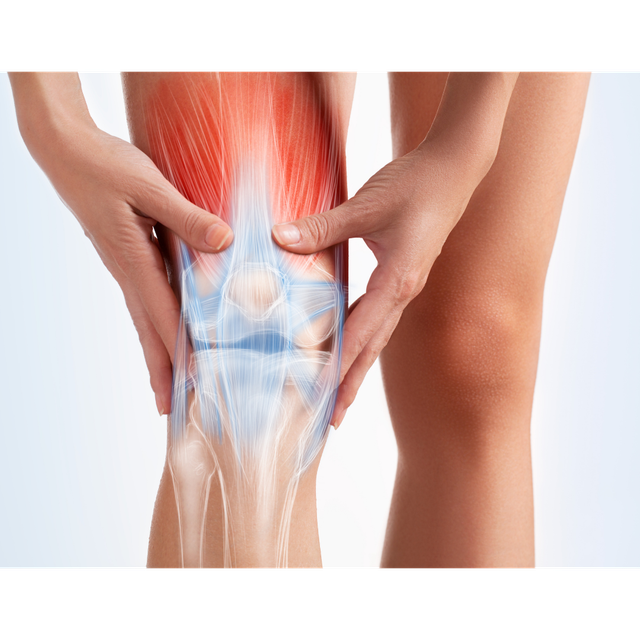
One of the biggest mistakes people make with knee pain is assuming that the painful tissue is the primary problem.
While the knee deserves attention, it is often necessary to assess the muscles controlling the joint, the movement patterns driving the symptoms, and the factors that may be creating excessive stress on the system.
When these contributors are identified, treatment can be directed toward improving movement efficiency rather than simply trying to reduce pain.
At Spinewise, we assess the muscles surrounding the knee alongside factors such as movement control, balance, stability, coordination, and overall function. If you are experiencing recurring knee pain, discomfort during exercise, or symptoms that keep returning despite treatment, book an appointment with the Spinewise team to help identify the factors that may be influencing how your knee moves and performs.
Frequently Asked Questions

Weakness or poor function within the quadriceps may influence how the kneecap moves and can increase stress on structures around the knee during activity in some cases. A professional assessment can help clarify whether quadriceps function is contributing to your symptoms.
The quadriceps are the primary muscles that influence patellar movement, although hip, calf, and surrounding stabilising muscles also contribute to overall knee function.
Walking upstairs places increased demand on the quadriceps and patellofemoral joint. If movement patterns or muscle function are not optimal, this activity may aggravate symptoms.
Hip weakness or reduced stability can alter lower limb mechanics and may influence the forces passing through the knee during walking, running, and other activities. This is one of several factors that can contribute to knee pain and is best assessed as part of a full movement evaluation.
Patellofemoral pain syndrome refers to pain around or behind the kneecap that often develops from altered patellar tracking, muscle imbalances, or repetitive loading without adequate recovery. It is a common presentation in active individuals and people whose work involves frequent squatting, stair climbing, or prolonged sitting. Assessment of the muscles surrounding the patella and the broader movement chain is often an important part of understanding and managing this condition.
At Spinewise, we assess the muscles around the knee as well as movement patterns, balance, coordination, stability, and other factors that may influence how the joint functions. This helps identify potential contributors to recurring knee discomfort and movement limitations.