





The Three Systems That Control Your Balance
When most people think about balance, they think about the inner ear. That’s part of the picture, but only part. Balance actually relies on three separate systems working together — and understanding them helps explain why balance problems can be more complicated than they first appear.

System One: Vestibular Function
The vestibular system, based in the inner ear, gives your brain a sense of where gravity is and how your head is moving in space. It’s often the system people think of first when they hear the word “balance,” but on its own it only tells part of the story.
System Two: Visual Function
Vision plays a central role in regulating balance — arguably the primary one. Your eyes constantly give your brain information about your movement relative to the world around you: are you moving in relation to the person in front of you, or is the room moving around you? This visual input works alongside the vestibular system to help your brain make sense of your position and motion.

System Three: Sensory Input From Your Feet
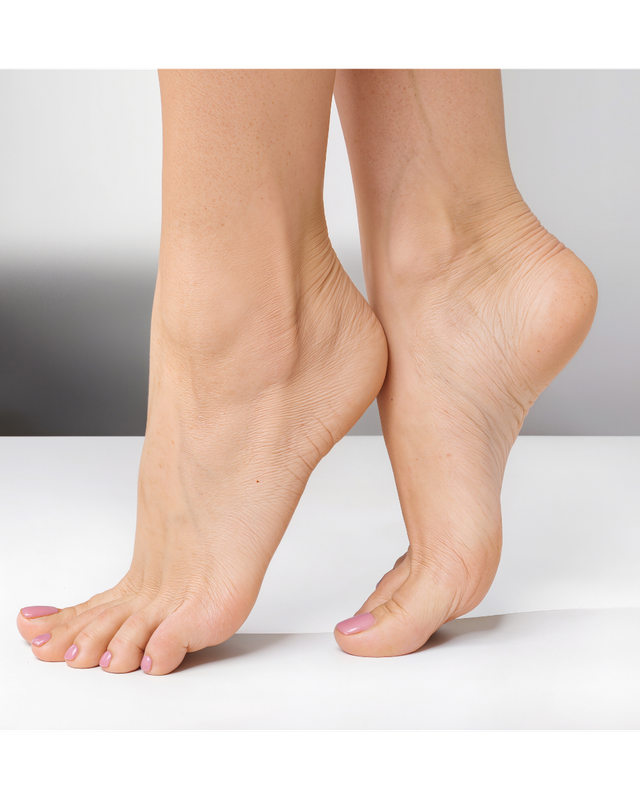
The third system is proprioceptive input from your feet — the sensory feedback that tells your brain what’s happening at ground level, where your weight is, and whether the surface beneath you is stable. This information feeds into the same overall balance picture as the other two systems.
As Trevor explains: “There’s vestibular function, which kind of is just a sense of where gravity is. Then we start looking at visual function, which is the primary mechanism of regulating balance… and then our final one, of course, is sensory input from the feet.”
When the Three Don’t Agree
Balance problems often aren’t caused by one system failing outright — they can also happen when the three systems send conflicting information. If your vestibular system, your eyes and your feet are telling your brain slightly different things about where you are and how you’re moving, that mismatch is a common contributor to symptoms like dizziness or unsteadiness. This is why balance issues can be hard to pin down with a single test or a single explanation.
Why This Matters for Assessment
Because balance depends on three systems working together, a thorough assessment needs to consider all three — not just the inner ear. This is part of why balance-related concerns benefit from a broader functional assessment rather than a narrow focus on one area. Understanding which system (or combination of systems) might be contributing helps build a clearer picture of what’s going on.
When to Get It Checked
If you’re dealing with dizziness, unsteadiness or other balance-related symptoms, a thorough assessment that looks at all three systems — vestibular, visual and sensory input from your feet — can help identify what’s contributing. Our Maidstone clinic offers this kind of functional assessment. You can book online or call us on (03) 9318 7758.
Frequently Asked Questions

Not entirely. The inner ear (vestibular system) is one of three systems involved — vision and sensory input from your feet also play a major role.
Yes. Since balance depends on three systems working together, a mismatch between vision, vestibular input and foot sensory input can contribute to symptoms even when one system in isolation seems fine.
This is best worked out through a thorough functional assessment that looks at all three systems, rather than assuming it’s one in particular.
No referral is needed. You can book directly with our team, and we recommend bringing any relevant scans, test results or specialist reports to your first visit.

About the Author
Dr Trevor Chetcuti, B.Chiro.Sc, B.App.Sc (Clin), DIBAK, CNET
Dr Trevor Chetcuti is Clinical Director at Spinewise in Maidstone, holding dual degrees in Chiropractic and Clinical Science from RMIT University and a Teaching Diplomate in Applied Kinesiology through the International College of Applied Kinesiology (ICAK). He is chairman of ICAK International’s Board of Research and Standards and has spent over 20 years helping patients work through complex health, neurological and pain-related concerns.