





The Brain-Growing Effects of Exercise
Exercise gets talked about a lot for physical health, but its effects on the brain deserve just as much attention. Research increasingly points to exercise playing a role in supporting brain function in ways that show up as improved mood, motivation and mental clarity for many people.
How Exercise Physically Changes Your Brain
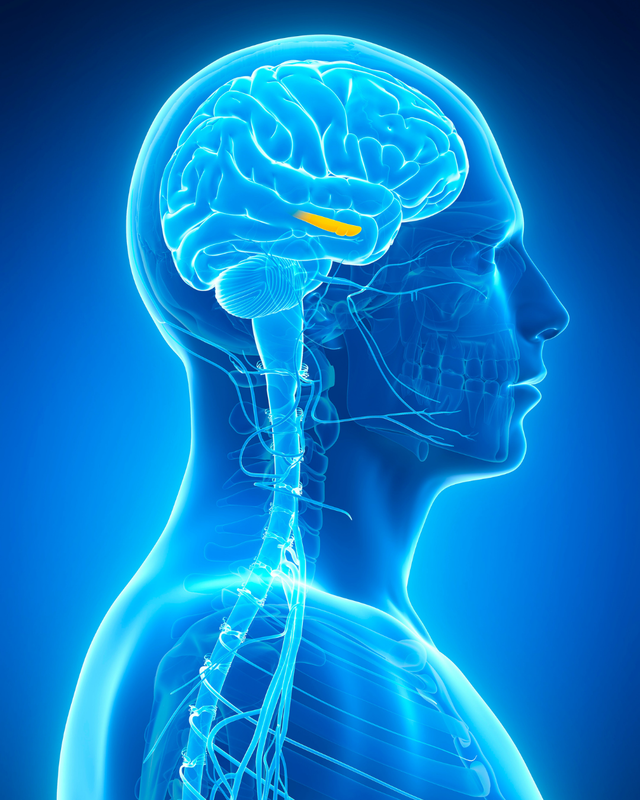
Regular aerobic exercise is associated with measurable changes in the brain, including in the hippocampus — a region involved in memory and learning. Research suggests exercise may support the growth of new brain cells in this area and increase levels of proteins like brain-derived neurotrophic factor (BDNF), which supports brain cell health and connectivity. This is a genuinely active area of neuroscience research, and individual responses vary.

The Connection to Anxiety, Motivation and Fatigue
These brain changes may be part of why exercise is so often associated with improvements in mood-related symptoms, including anxiety, low motivation and fatigue. This doesn’t mean exercise replaces appropriate mental health care, but it’s increasingly recognised as a meaningful, evidence-informed piece of supporting mental and cognitive wellbeing alongside other approaches.
Why Brain Fog Might Improve With Movement
Brain fog is a frustratingly generic symptom with many possible contributors, as we’ve discussed in a previous post. Exercise is one of the general lifestyle factors that may support cognitive clarity for some people, likely through a combination of improved blood flow, better sleep, and the brain changes described above. It’s not a guaranteed fix, but it’s a sensible factor to consider.
How Much Exercise Is Enough?
General guidelines suggest most adults benefit from around 150 minutes of moderate aerobic activity per week, though any amount of regular movement is generally better than none. You don’t need to run marathons to see potential brain-health benefits — consistent, moderate activity like brisk walking appears to matter more than intensity for many of these effects.
It’s Not a Replacement for Other Care
Exercise is a genuinely useful, low-cost habit to build into your routine, but it isn’t a cure-all. If you’re dealing with significant anxiety, persistent fatigue or ongoing brain fog, it’s worth having these properly assessed rather than relying on exercise alone.
When to Get It Checked
If you want a broader look at your overall health, including how lifestyle factors like exercise fit into the picture, our Maidstone clinic offers thorough assessments. You can book online or call us on (03) 9318 7758.
Frequently Asked Questions

No. Exercise is a supportive, evidence-informed habit, but individual results vary and it isn’t a substitute for appropriate medical or mental health care when needed.
Research most consistently points to regular aerobic activity, such as brisk walking, cycling or swimming, though a combination of activity types is generally beneficial for overall health.
This varies significantly between individuals. Consistency over weeks to months tends to matter more than any single session.
No referral is needed. You can book directly with our team, and we recommend bringing any relevant medical reports to your first visit.

About the Author
Dr Trevor Chetcuti, B.Chiro.Sc, B.App.Sc (Clin), DIBAK, CNET
Dr Trevor Chetcuti is Clinical Director at Spinewise in Maidstone, holding dual degrees in Chiropractic and Clinical Science from RMIT University and a Teaching Diplomate in Applied Kinesiology through the International College of Applied Kinesiology (ICAK). He is chairman of ICAK International’s Board of Research and Standards and has spent over 20 years helping patients work through complex health, neurological and pain-related concerns.