





Recurrent Vertigo: Is There a Pattern Worth Investigating?
For some people, vertigo isn’t a one-off event — it’s something that keeps coming back, bout after bout, sometimes over years. When dizziness is recurrent like this, it’s worth asking whether there’s a broader pattern at play, rather than treating each episode as an isolated event.
What Recurrent Vertigo Looks Like
Benign Paroxysmal Positional Vertigo (BPPV) is one of the more common causes of vertigo, often triggered by certain head movements or changes in position. Many people experience it once and it resolves. But for others, it becomes a recurring issue — the dizziness settles, only to return weeks, months or years later. If this sounds familiar, you’re not alone, and it’s a pattern worth paying attention to rather than just riding out each time it happens.

A Pattern Worth Noticing: Sleep and Memory
In our clinical experience, people who deal with recurrent vertigo bouts often report other things going on alongside it — commonly, disrupted sleep and short-term memory difficulties. This isn’t something we’d claim applies to everyone with recurrent vertigo, and it isn’t a formal diagnosis in itself, but it’s a pattern that comes up often enough to be worth mentioning and worth exploring further with your practitioner.
As Trevor explains: “I find more often than not, when you’re having these people who’ve had recurrent things like recurrent BPPV over the years… these are the ones that seem to be really predisposed to those types of things. We often see that they have problems with sleeping, and they have problems with their memory, especially short-term memory as well.”
Why Looking at the Whole Picture Matters
If vertigo keeps returning, it can be tempting to treat each bout in isolation — deal with the dizziness when it flares up, then move on. But when recurrence is part of the picture, it may be worth stepping back and considering what else might be going on more broadly, rather than only addressing the vertigo itself each time it appears. This is where a thorough, whole-person assessment — rather than a narrow focus on the ear alone — can add value.
How We Approach Recurrent Vertigo at Spinewise
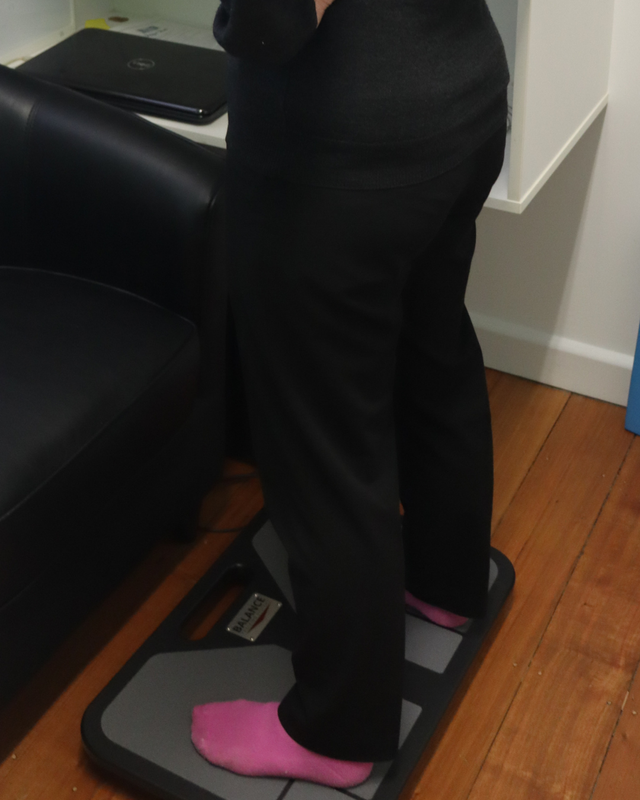
Our approach starts with a detailed history, exploring not just the vertigo itself but other patterns that may be relevant, including sleep and memory. From there, functional testing — including balance assessment — helps build a clearer picture of what might be contributing. Every case is different, and recurrent vertigo can have a range of underlying contributors, so we don’t assume a single cause before assessing.
When to Get It Checked
If your vertigo or dizziness keeps coming back, and especially if you’ve also noticed sleep or memory changes, it’s worth having it properly assessed rather than just managing each episode as it comes. Our Maidstone clinic offers thorough, functional assessments to help understand what may be contributing to your symptoms. You can book online or call us on (03) 9318 7758.
Frequently Asked Questions

For some people, yes — vertigo can be a recurring issue rather than a single event. If this is happening to you, it’s worth having it assessed rather than assuming it will just resolve on its own each time.
Not necessarily for everyone, but it’s a pattern we see often enough in people with recurrent vertigo to be worth mentioning and exploring as part of a broader assessment.
It typically starts with a detailed history covering vertigo, sleep and other relevant symptoms, followed by functional and balance testing to help build a clearer picture.
No referral is needed. You can book directly with our team, and we recommend bringing any relevant scans, test results or specialist reports to your first visit.

About the Author
Dr Trevor Chetcuti, B.Chiro.Sc, B.App.Sc (Clin), DIBAK, CNET
Dr Trevor Chetcuti is Clinical Director at Spinewise in Maidstone, holding dual degrees in Chiropractic and Clinical Science from RMIT University and a Teaching Diplomate in Applied Kinesiology through the International College of Applied Kinesiology (ICAK). He is chairman of ICAK International’s Board of Research and Standards and has spent over 20 years helping patients work through complex health, neurological and pain-related concerns.