





Why We Check Balance After a Concussion
Balance and vestibular function are getting increasing attention as a useful piece of the puzzle when assessing concussion. It’s not the only tool worth using, but it’s one that’s proving genuinely informative — and it turns out balance is worth checking for reasons that go well beyond concussion, too.
Balance Testing as a Concussion Assessment Tool
Emerging evidence suggests that balance and vestibular testing may be one of the more sensitive tools available for assessing concussion, alongside standard clinical assessment. Working specifically on balance function — rather than only monitoring concussion symptoms in general — appears to give a clearer, more objective read on what’s happening. This is a developing area, and balance testing is best used as part of a broader assessment rather than a stand-alone diagnostic tool.
Why We Check Balance for More Than Just Concussion
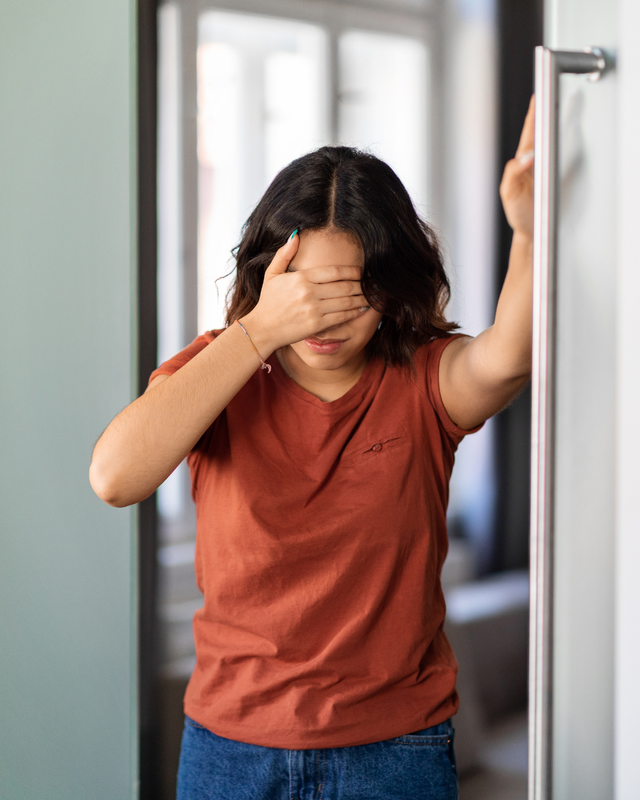
Concussion isn’t the only reason someone might have their balance assessed at Spinewise. There are a number of presentations where balance function is worth a look, including light sensitivity, sound sensitivity, ongoing headaches, dizziness, and disrupted sleep — waking frequently through the night or struggling to settle.
These symptoms can overlap with concussion, but they can also show up on their own, which is why balance is something we consider more broadly rather than only after a known head injury.
How We Track It
We use digital balance systems alongside standard clinical assessment to track balance function over time — not relying on clinical impression alone. This gives an objective way to compare results across visits, rather than judging purely by how someone says they’re feeling on the day.
An Interesting Pattern Worth Knowing About
One thing that comes up repeatedly in this kind of testing: balance function can be disrupted again by something as simple as a fall — even a minor one, and even where the head isn’t involved at all.
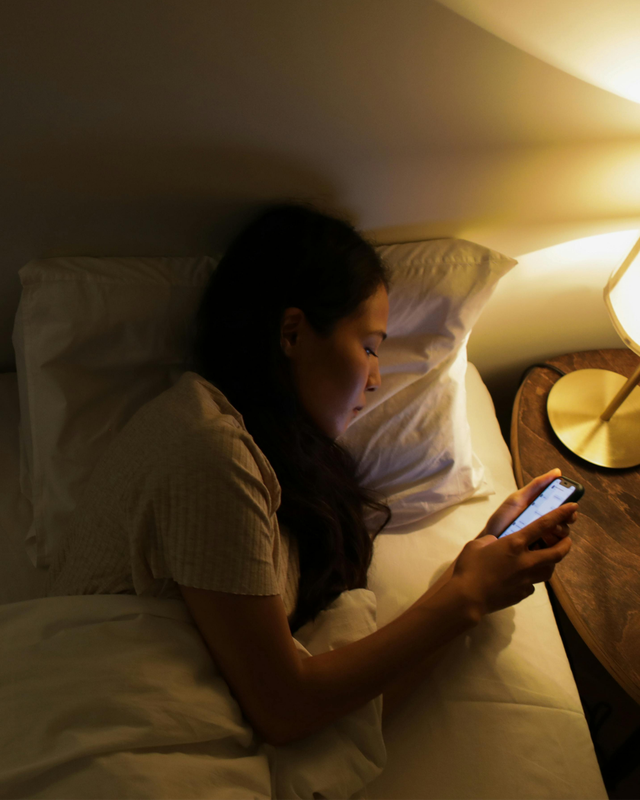
Someone might have had their balance testing settle within expected ranges over a course of care, then slip and land awkwardly without hitting their head, and find their balance testing has shifted again when reassessed. It’s a useful reminder that the balance system stays sensitive to physical knocks generally, not just direct head trauma, and it’s part of why retesting after any fall — not only a head injury — can be worthwhile.
When to Get It Checked
If you’ve had a concussion, a recent fall, or you’re dealing with symptoms like light or sound sensitivity, headaches, dizziness or disrupted sleep, a thorough balance assessment can help build a clearer picture of what’s going on. Our Maidstone clinic offers digital balance testing alongside clinical assessment. You can book an appointment or call us on (03) 9318 7758.
Frequently Asked Questions

No — it’s used alongside standard clinical assessment, not as a replacement for it. It’s considered one of several useful tools in building a fuller picture after a concussion.
Yes. We look at balance for a range of reasons beyond concussion, including light or sound sensitivity, headaches, dizziness and disrupted sleep.
The balance system can remain sensitive to physical knocks more broadly, not only direct head trauma. This is why we may recommend reassessment after any significant fall, not just a head injury.
No referral is needed. You can book directly with our team, and we recommend bringing any relevant scans, test results or specialist reports to your first visit.

About the Author
Dr Trevor Chetcuti, B.Chiro.Sc, B.App.Sc (Clin), DIBAK, CNET
Dr Trevor Chetcuti is Clinical Director at Spinewise in Maidstone, holding dual degrees in Chiropractic and Clinical Science from RMIT University and a Teaching Diplomate in Applied Kinesiology through the International College of Applied Kinesiology (ICAK). He is chairman of ICAK International’s Board of Research and Standards and has spent over 20 years helping patients work through complex health, neurological and pain-related concerns.