





Why We Don't Rely on Just One Type of Test
If you’ve ever had one test come back looking fine while you still don’t feel right, you’ll understand why relying on a single method of assessment can only tell part of the story. At Spinewise, we lean on more than one type of test — because each one picks up something the other might miss.
The Limits of Relying on One Method Alone
Clinical assessment — the hands-on examination and detailed history a practitioner takes — is valuable, but it’s partly built on experience and interpretation. Digital testing, on the other hand, gives objective numbers, but numbers alone don’t capture everything a practitioner notices during an assessment. Used in isolation, either approach has blind spots. Used together, they tend to cover for each other’s gaps.
What Clinical Assessment Brings to the Table
A detailed history and hands-on assessment help build context — how symptoms started, what makes them better or worse, and what a practitioner observes during movement and functional testing that a screen alone wouldn’t show. This is where the nuance of an individual case often shows up first.
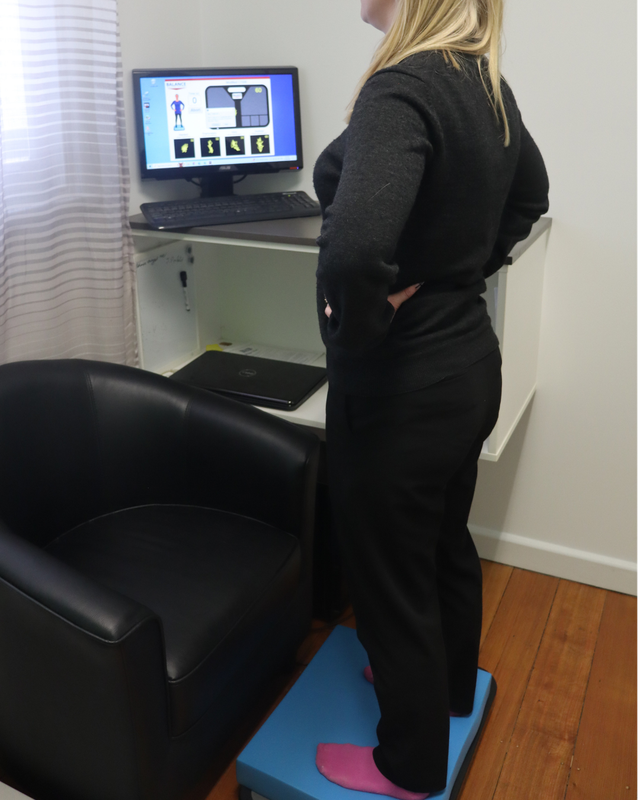
What Digital Balance Testing Adds
Digital balance platform testing adds an objective layer, measuring how your balance system performs under different conditions. It gives a number to compare against — both against expected ranges and against your own results at a later visit — rather than relying purely on impression.
Why the Combination Matters More Than Either Alone
Individually, either method can leave gaps. A clinical finding without objective data can be harder to track over time. Objective data without clinical context can miss the individual detail that actually explains what’s going on. Together, they help build a more complete, more reliable picture.
What This Looks Like in Practice at Spinewise
In practice, this means your assessment isn’t just a conversation, and it isn’t just a test result — it’s both, considered together. When we retest at a later visit, we’re comparing objective data against a baseline while also factoring in what’s changed clinically, which gives a clearer sense of what’s actually going on than either piece of information alone. Results and the pace of change vary from person to person.
When to Get It Checked
If you’re dealing with balance-related symptoms and want an assessment that looks at more than one piece of the puzzle, our Maidstone clinic combines clinical assessment with digital balance testing. You can book an appointment or call us on (03) 9318 7758.
Frequently Asked Questions

How you’re feeling is genuinely important information, but it can be inconsistent day to day. Combining it with objective testing gives a fuller, more reliable picture over time.
Digital testing gives useful objective data, but it doesn’t capture everything a practitioner notices during a hands-on assessment and detailed history. Both pieces of information matter.
This depends on your individual care plan and will be discussed with your practitioner based on your history and symptoms.
No referral is needed. You can book directly with our team, and we recommend bringing any relevant scans, test results or specialist reports to your first visit.

About the Author
Dr Trevor Chetcuti, B.Chiro.Sc, B.App.Sc (Clin), DIBAK, CNET
Dr Trevor Chetcuti is Clinical Director at Spinewise in Maidstone, holding dual degrees in Chiropractic and Clinical Science from RMIT University and a Teaching Diplomate in Applied Kinesiology through the International College of Applied Kinesiology (ICAK). He is chairman of ICAK International’s Board of Research and Standards and has spent over 20 years helping patients work through complex health, neurological and pain-related concerns.