
chiropractor near me

Serving Melbourne

for over 20 years

pain specialist melbourne

35 Churchill Ave , Maidstone

VIC 3012, Australia

icon-sticky

Serving Melbourne
for over 30 years

pain specialist melbourne

35 Churchill Ave , Maidstone, VIC 3012, Australia

It's Not Just Backs and Necks Anymore

Ask most people what a chiropractor is for, and you’ll get a pretty predictable answer: back pain, neck pain, maybe a sore shoulder. That’s a fair assumption based on how the profession is generally understood — but it doesn’t reflect what actually brings the most people through our door at Spinewise.

What People Assume a Chiropractor Does

The stereotype exists for good reason — musculoskeletal complaints are a core part of chiropractic care, and always will be. But it’s only part of the picture, and assuming that’s all a visit is about can mean people don’t think to raise other things going on for them.

What We Actually See Walk Through the Door

Looking across our own patient records, anxiety and other emotional health concerns are actually the single most common reason people come to see us — ahead of back pain, neck pain, or any other single musculoskeletal complaint. It’s a statistic that tends to surprise people, including, honestly, us at times.
Why That Surprises People

There’s something a little funny about a chiropractic clinic seeing more people for anxiety-related concerns than for classic musculoskeletal pain. It doesn’t fit the stereotype. But once you consider that the nervous system underlies both physical and emotional regulation, it starts to make more sense why a practice built around functional, nervous-system-aware assessment would end up seeing this pattern.

Why a Whole-Body Approach Makes Sense

Our practitioners are trained not just as chiropractors but also in Applied Kinesiology and Neuroemotional Technique — approaches that consider structural, neurological and stress-related factors together, rather than treating the body as a set of separate, unrelated systems. This doesn’t mean we’re treating anxiety in isolation; it means our assessment naturally looks at the whole picture a person brings in, not just the specific complaint they mention first.

What This Looks Like in Practice

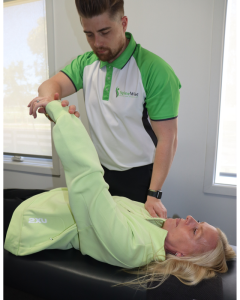
A visit typically starts with a detailed history — covering physical symptoms, but also sleep, stress, and general wellbeing — followed by functional testing that helps build a fuller picture of what might be contributing to how someone’s feeling. From there, care is tailored to the individual, rather than following a one-size-fits-all approach.

When to Get It Checked

If you’re dealing with anxiety, stress, or a general sense that something’s off — alongside or separate from any physical symptoms — a thorough, whole-person assessment can help build a clearer picture of what’s going on. You can book an appointment or call us on (03) 9318 7758.

Frequently Asked Questions

This is complementary, whole-body assessment, in addition, not as a replacement for appropriate mental health care. A mental health professional should remain part of your care team if you’re managing anxiety.

Our approach considers the nervous system broadly, which covers more than musculoskeletal function alone. This means people sometimes come in with concerns beyond typical back or neck pain.

No. Assessments are based on your individual history and concerns, whatever they may be.

No referral is needed. You can book directly with our team, and we recommend bringing any relevant medical reports to your first visit.

Dr Trevor Chetcuti

About the Author
Dr Trevor Chetcuti, B.Chiro.Sc, B.App.Sc (Clin), DIBAK, CNET

Dr Trevor Chetcuti is Clinical Director at Spinewise in Maidstone, holding dual degrees in Chiropractic and Clinical Science from RMIT University and a Teaching Diplomate in Applied Kinesiology through the International College of Applied Kinesiology (ICAK). He is chairman of ICAK International’s Board of Research and Standards and has spent over 20 years helping patients work through complex health, neurological and pain-related concerns.