


Can Blood Sugar Dysfunction Cause Hot Flashes?
When people experience hot flashes, the immediate assumption is often that hormones are solely to blame. While hormonal fluctuations, particularly around perimenopause and menopause, are a major contributor, they are not the only factor. Blood sugar regulation can play a significant and sometimes underestimated role in triggering hot flashes.
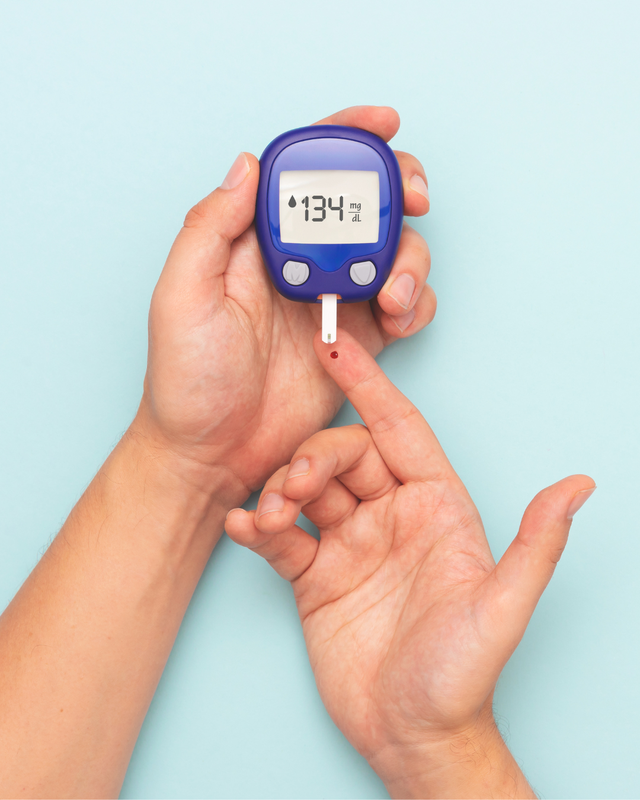
When blood glucose levels spike and then drop rapidly, the body activates a stress response to stabilise levels. This response involves the release of stress hormones such as adrenaline and cortisol. These hormones can increase heart rate, dilate blood vessels, and create a sudden sensation of heat or flushing. In susceptible individuals, especially those already experiencing hormonal shifts, this stress response can amplify vasomotor symptoms and result in noticeable hot flashes.
Clinically, patterns often emerge. Some individuals report that after a day of high sugar intake or excessive refined carbohydrates, their hot flashes worsen that evening or overnight.
The rapid rise and fall in blood sugar places additional strain on the autonomic nervous system, which is already sensitive during times of hormonal transition. This combination can significantly increase symptom frequency and intensity.
Recognising the blood sugar connection offers a practical avenue for intervention. Supporting stable glucose levels through balanced meals, adequate protein, and reduced refined carbohydrates can reduce nervous system volatility and help minimise hot flash episodes. While hormones remain central to the discussion, metabolic stability is often one of the top contributing factors that deserves equal attention.
If you are experiencing frequent hot flashes, it may be helpful to look beyond hormones alone and consider how factors such as blood sugar regulation and nervous system balance are contributing to your symptoms. Identifying these influences can often provide practical strategies to reduce their frequency and intensity. If you would like to explore what may be driving your symptoms, you can book an appointment to assess these factors and discuss personalised approaches to support better hormonal and metabolic stability.
Frequently Asked Questions

Yes. Rapid spikes and drops in blood glucose can activate stress hormones such as adrenaline and cortisol, which may trigger flushing and heat sensations.
Large amounts of refined carbohydrates can cause blood sugar spikes followed by rapid drops, which can activate the body’s stress response.
Hormonal changes are a major factor, but nervous system activity and metabolic factors like blood sugar regulation can also contribute.
Balanced meals with protein, fibre, and healthy fats help stabilise glucose levels and reduce sudden stress responses.
Highly refined carbohydrates, sugary foods, and large blood sugar swings may increase symptom frequency for some individuals.