


Night Waking, Teeth Grinding, and Behaviour Changes: Signs of Childhood Sleep Apnoea?
When children repeatedly wake through the night, grind their teeth, experience nightmares or night terrors, and even struggle with bedwetting, these symptoms are often viewed in isolation. Behaviour problems first thing in the morning may be labelled as moodiness or defiance. However, when these features appear together, they can form a very recognisable pattern. Clinically, this cluster of signs raises suspicion for childhood sleep apnoea.
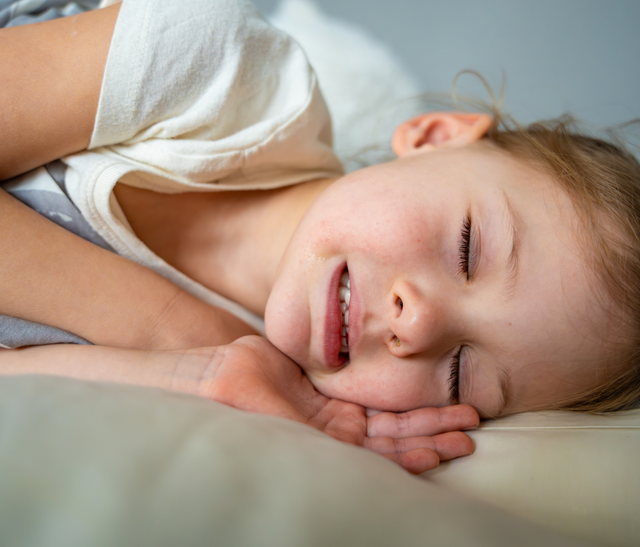
Sleep apnoea in children does not always present as loud snoring alone. Instead, it often manifests through fragmented sleep and subtle breathing disturbances that repeatedly activate the stress response during the night. Each micro-arousal disrupts restorative sleep cycles. The nervous system remains in a state of intermittent hyperactivation, preventing deep, consolidated rest. Over time, this can lead to symptoms such as bruxism, night terrors, restless sleep, and even bedwetting due to altered autonomic regulation.
Morning behaviour changes are another important clue. A child who has not achieved adequate restorative sleep may wake irritable, inattentive, or emotionally reactive. What appears to be behavioural difficulty can sometimes be neurological fatigue. The developing brain relies heavily on deep sleep for regulation, learning, and emotional stability. When that process is disrupted, daytime function is affected.
Recognising these combined signs allows for earlier investigation and support. Rather than treating each symptom separately, it becomes important to assess breathing quality and sleep integrity as a whole. Identifying and addressing sleep apnoea in children can dramatically improve not only nighttime symptoms but also daytime behaviour, attention, and overall neurological development.
When several of these symptoms appear together, it can be helpful to look beyond behaviour alone and consider whether sleep quality and breathing regulation may be contributing to the pattern. Identifying the underlying cause early can make a significant difference to a child’s sleep, behaviour, and overall development. If your child is experiencing these signs, you can book an appointment to assess sleep patterns, breathing function, and neurological regulation to help determine the most appropriate next steps.
Frequently Asked Questions

Signs may include teeth grinding, night waking, bedwetting, restless sleep, snoring, nightmares, and behavioural changes.
Bruxism can occur when the nervous system is activated by breathing disturbances during sleep.
Yes. Fragmented sleep can lead to irritability, poor attention, emotional reactivity, and morning behavioural difficulties.
Enlarged tonsils, airway obstruction, nasal congestion, or breathing pattern disturbances can contribute.
If multiple symptoms such as night waking, teeth grinding, and behavioural changes appear together, it may be helpful to investigate sleep quality.