


How Neurotracker Is Making Good Athletes Great
Elite athletic performance is as much about the brain as it is about the body. While strength, speed, and endurance can be trained in the gym, the ability to perceive, decide, and react faster than the competition comes from the brain. Neurotracker , a cognitive training system developed by neuroscientist Professor Jocelyn Faubert, is helping elite athletes sharpen those mental edges — turning good athletes into great ones.
“At Manchester United, it became clear that abilities between the ears made the difference between top players and truly great ones… Training needs to condition mental focus at each athlete’s processing speed threshold… to keep on top of the action when it matters most. Neurotracker is a great example of how this can be done.” — Mick Clegg (Strength & Conditioning coach at Manchester United).

cognitive speed — how quickly they process visual information and make decisions. In sports like soccer, basketball, football, and motor sport, milliseconds determine success. Neurotracker enhances these mental abilities by challenging users to track multiple moving objects in 3D space, strengthening attention, awareness, and working memory.
Making the World’s Best Better!
Neurotracker has been used by athletes in the NBA, English Premier League (EPL), NHL, NFL, and
Formula One. Manchester United, the Chicago Bulls, and professional rugby teams have incorporated Neurotracker into their performance programs. NBA champion Rudy Gay once said, “Neurotracker sharpens your focus — it’s like tuning your brain before you play.” Similarly, Formula One drivers have used it to improve reaction time and situational awareness under high-speed pressure.
The Science Behind the Gains
Research shows that Neurotracker training improves processing speed, attention, and visual tracking, all of which translate to enhanced on-field performance. A study of elite rugby players found that Neurotracker users maintained better cognitive performance under physical fatigue, suggesting improved mental resilience. Another study in NBA
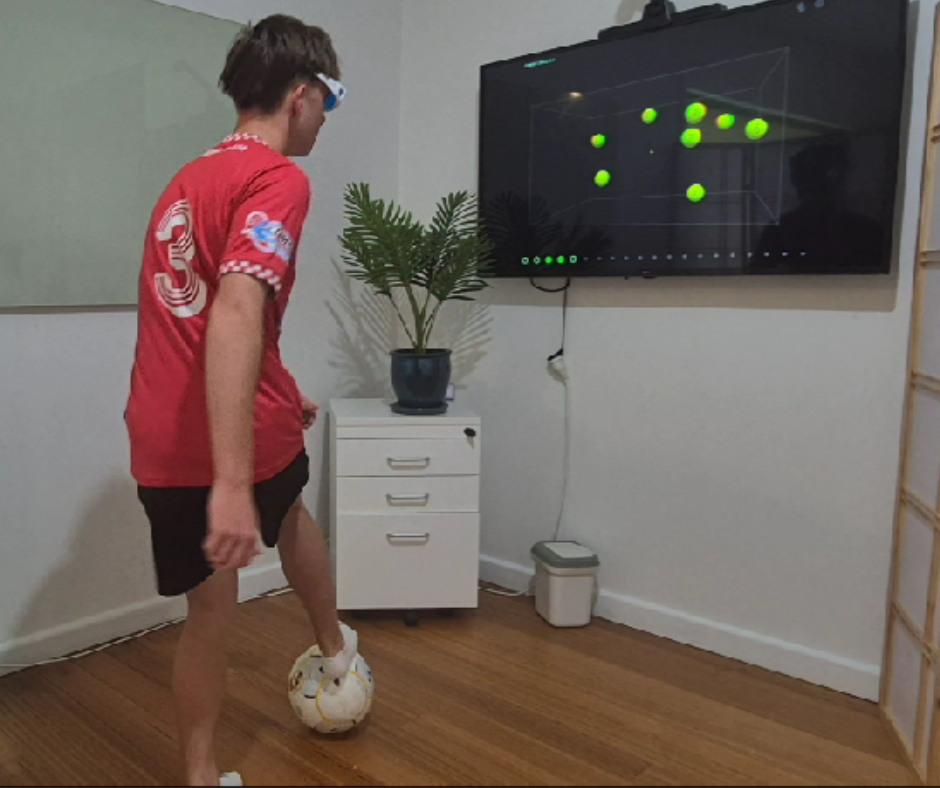
players showed that higher Neurotracker scores correlated with better assist-to-turnover ratios — a direct indicator of smarter, faster decision-making.
While Neurotracker is a staple in elite training, its principles apply equally to aspiring junior athletes. Developing visual-cognitive skills early lays the foundation for tactical awareness, quick decision-making, and confidence under pressure. For young athletes, integrating Neurotracker can help bridge the gap between technical ability and game intelligence.
The Path Forward
Great athletes aren’t just physically gifted — they’re cognitively superior. By strengthening attention, awareness, and decision speed, Neurotracker provides the mental foundation for peak performance and injury prevention. It’s not just training the brain — it’s training the athlete’s most powerful muscle.
If you’d love to start using the Neurotracker program to enhance your athletic performance, simply click here to contact us.
Need more information? Download our Guide to “Enhancing Neurocognition in Sport” – click here.
Dr. Trevor Chetcuti. BCSc, BAppSc(Clinical), DIBAK, CNET
If you’d like to know more about how Neurotracker can help junior athletes click here
### References
1. Faubert, J., & Sidebottom, L. (2012). Perceptual-cognitive training of athletes. *Journal of Clinical Sport Psychology*, 6(1), 85–102.
2. Romeas, T., et al. (2016). Combined Neurotracker training and sport-specific drills enhance decision-making performance in soccer players. *Psychology of Sport and Exercise*, 22, 1–9.
3. Parsons, B., et al. (2016). Enhancing cognitive function after brain injury: Evidence from Neurotracker training. *Frontiers in Human Neuroscience*, 10, 584.