


The Unique way Premier League Soccer Players Use Their Vision
Vision is one of the most critical, yet often overlooked, components of elite football performance. In the Premier League, players must process fast-moving, complex scenarios in real-time — decisions are made in fractions of a second, and the ability to see, interpret, and react effectively often separates the good players from the great.
The Role of Vision in Football
Football is inherently a multi-object sport. Players must constantly monitor the position of teammates, opponents, the ball, and open space while simultaneously planning their next movement. This requires more than just sharp eyesight; it demands advanced peripheral vision, the ability to track multiple targets simultaneously, and rapid visual-cognitive processing.
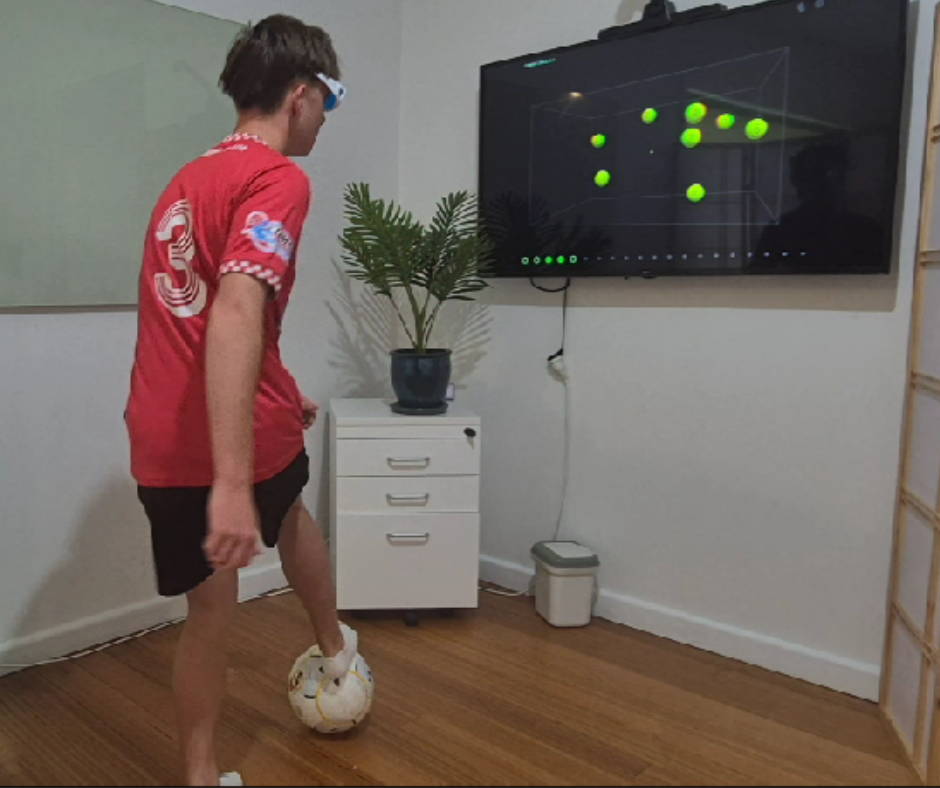
Studies of elite footballers show that top players use their vision differently than amateur athletes. They rely less on direct focus on the ball and more on scanning their surroundings, reading cues from player body language, and predicting the flow of play. This allows them to anticipate opponent movements, exploit spaces, and make split-second decisions with higher accuracy1.
Peripheral Vision and Smooth Pursuit
One key difference is the use of peripheral vision. Premier League players are trained to pick up information from the edges of their visual field without having to turn their heads constantly. This enables them to monitor runs, spot unmarked players, and anticipate passes while maintaining control of the ball.
Another important distinction is their eye movement strategy. Research shows that elite players tend to make fewer saccades — rapid eye jumps — and rely more on smooth pursuit eye movements and longer fixations. This approach allows them to track moving objects and players more efficiently, gather more information per visual sweep, and make better decisions under pressure2.
For example, a midfielder receiving a pass can simultaneously see an overlapping runner on the flank and a pressing opponent approaching from behind. This visual awareness, combined with smooth pursuit tracking, allows for smoother, faster decision-making and reduces the likelihood of errors in high-pressure situations.
Tracking Multiple Objects
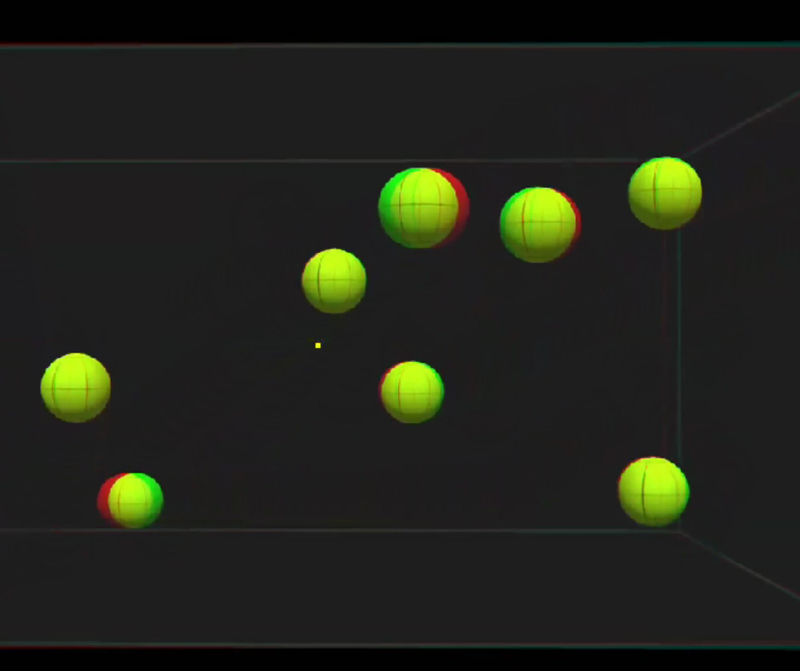
Elite players are adept at tracking multiple moving objects at once. While an amateur player may focus solely on the ball, professionals keep tabs on several players and the ball simultaneously. This skill is vital in congested areas such as the penalty box or midfield, where spatial awareness can dictate whether a play succeeds or fails3.
Research suggests that this ability correlates with higher cognitive processing speed and improved decision-making. It’s not just about reacting faster; it’s about reacting smarter, with a comprehensive understanding of the game environment.
Anticipation and Decision-Making
Vision in elite football is closely tied to anticipation. Players constantly predict where the ball will go, how opponents will move, and how teammates will respond. This predictive vision is what allows forwards to time their runs perfectly or defenders to intercept passes before they reach dangerous positions.
The cognitive load is high: players must integrate current visual information with learned patterns from previous games and situational knowledge. Premier League athletes develop this predictive ability through thousands of hours of practice, video analysis, and specialized drills that challenge both the eyes and the brain.
Training Vision in Professional Football
Many clubs now incorporate vision and brain training tools such as Neurotracker, strobe goggles, and virtual reality systems into their development programs. These tools enhance peripheral awareness, multi-target tracking, smooth pursuit tracking, and rapid decision-making — skills that translate directly to on-field performance.

For example, Manchester United and West Ham United have integrated cognitive training into academy programs to help young players develop elite-level visual processing skills early. Studies show that players using these methods demonstrate improved game awareness, reaction times, and overall performance metrics4.
Translating Elite Vision to Youth Development
While these vision skills are honed at the professional level, they can and should be nurtured in youth players. Early training in visual awareness, scanning techniques, smooth pursuit, and multi-target tracking builds a foundation for higher-level cognitive and perceptual skills. This prepares young athletes for the demands of professional play and increases the likelihood of reaching elite levels.
What does all this mean?
Premier League players use their vision in fundamentally different ways than other athletes. Through advanced peripheral vision, smooth pursuit tracking, multi-object tracking, and predictive decision-making, they gain a cognitive edge that is as important as physical skill.
While technical ball skills, fitness, and football IQ are important, they alone do not make a Premier League player. What sets elite athletes apart is a unique visual-cognitive skill — the ability to perceive, track, and anticipate multiple elements of the game in real-time. This rare talent enables faster, smarter decisions under pressure and should be identified early in young players. This skill can be just as important, if not more so, than technical ball or physical abilities at a young age and provide a foundation for exceptional performance as they grow.
To learn more about visual-cognitive training and how Neurotracker can help enhance athletic performance, download our Guide to Enhancing Neurocognition in Sport or explore our How Neurotracker Is Making Good Athletes Great blog(add link).
Dr. Trevor Chetcuti. BCSc, BAppSc(Clinical), DIBAK, CNET
Footnotes
- Vaeyens, R., Lenoir, M., Williams, A. M., & Philippaerts, R. M. (2007). Mechanisms underpinning successful decision making in sport. Sports Medicine, 37(3), 249–266. ↩
- Roca, A., Ford, P. R., McRobert, A. P., & Williams, A. M. (2013). Identifying the processes underpinning anticipation and decision-making in a dynamic time-constrained task. Cognitive Processing, 14(2), 163–172. ↩
- Mann, D. L., Williams, A. M., Ward, P., & Janelle, C. M. (2007). Perceptual-cognitive expertise in sport: A meta-analysis. Journal of Sport and Exercise Psychology, 29(4), 457–478. ↩
- Faubert, J., & Sidebottom, L. (2012). Perceptual-cognitive training of athletes. Journal of Clinical Sport Psychology, 6(1), 85–102. ↩