





Mold Exposure and Health: Why It Should Not Be Ignored
Mold is often dismissed as a minor household issue. Many people hear, “It is just mold, you will be fine.” However, clinical patterns are increasingly showing that mold exposure can have significant effects on health, particularly for those who are more sensitive or exposed over longer periods. What appears to be a small environmental factor can, in some cases, contribute to widespread symptoms across multiple systems in the body.

Over the past few years, there has been a noticeable rise in people reacting to mold. This is not just about allergies. Mold can influence the immune system, the nervous system, and even metabolic processes. Certain molds produce compounds known as mycotoxins, which can place stress on detoxification pathways and trigger inflammatory responses. For some individuals, this can lead to symptoms such as fatigue, brain fog, sinus congestion, headaches, skin irritation, and digestive changes.
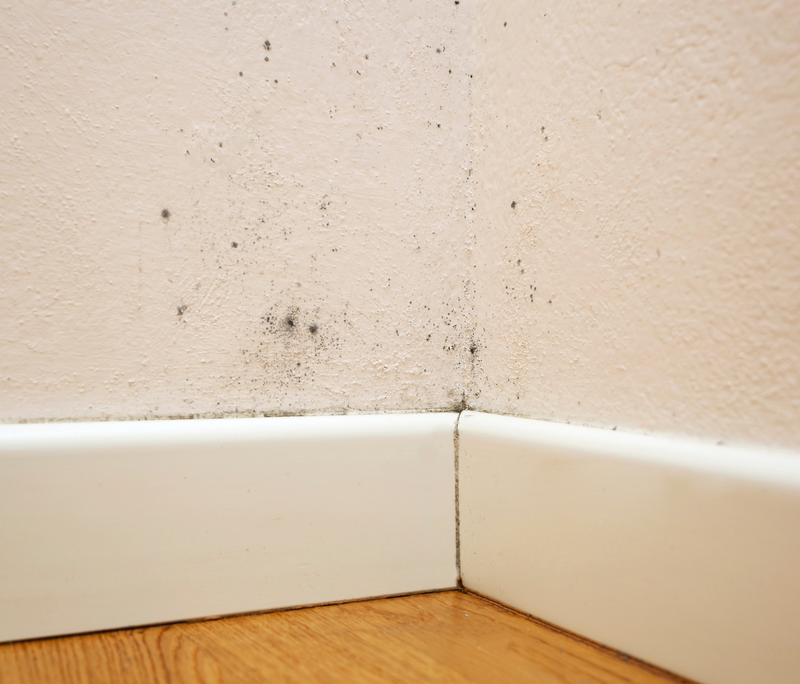
One of the challenges with mold is how easily it is overlooked. It is commonly found in bathrooms, ceilings, walls, and poorly ventilated spaces. Because it is so familiar, it is often normalised. However, ongoing exposure, even at low levels, can gradually affect how the body functions. The nervous system can become more reactive, the immune system more sensitive, and overall resilience may decrease. This can make people feel unwell without a clear or obvious cause.
At Spinewise, we consider environmental factors like mold as part of a broader health picture. Symptoms are not always random. They are often responses to ongoing stressors, whether internal or external. Addressing mold exposure may involve identifying sources in the home, improving ventilation, and supporting the body’s ability to regulate inflammation and detoxification. The aim is not just to remove the trigger, but to help the body recover and function more efficiently.
If you have ongoing symptoms that do not seem to resolve, or if you suspect your environment may be contributing to your health, it may be time to look deeper. Book an appointment with Spinewise to explore an integrated approach to identifying and addressing underlying drivers of your symptoms.
Frequently Asked Questions

Yes. Mold exposure can impact the immune system, nervous system, and respiratory system, particularly in sensitive individuals or with prolonged exposure.
Symptoms may include fatigue, brain fog, sinus congestion, headaches, skin irritation, and digestive issues.
Individual sensitivity varies based on immune function, detoxification capacity, and overall health. Some people are more susceptible to environmental triggers.
Mold is often found in bathrooms, kitchens, ceilings, walls, and areas with poor ventilation or water damage.
Improving ventilation, addressing moisture issues, and identifying hidden mold sources are key steps. Supporting overall health can also help the body respond more effectively.