




Poor Flexibility? It Could Be a Brain Function Issue, Not a Muscle Problem
Flexibility is often seen as a muscle issue. If something feels tight, the solution is usually to stretch it. But in many cases, limited flexibility is not caused by the muscle itself. It can be driven by how the brain is controlling movement.
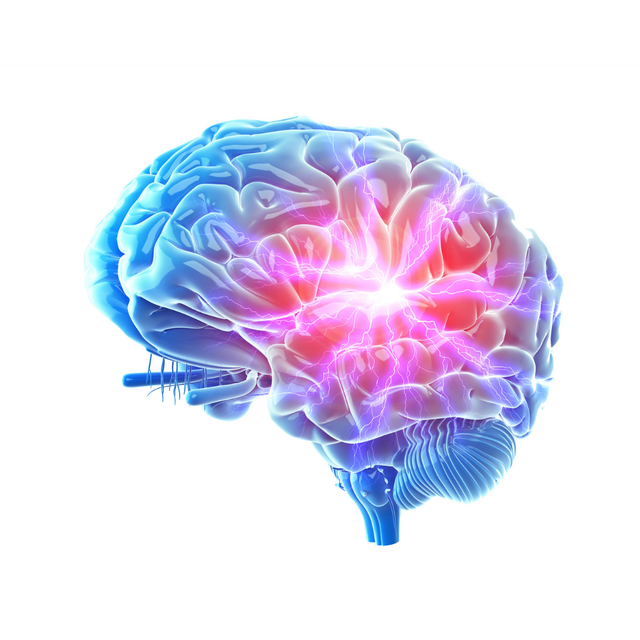
The brain plays a key role in regulating muscle tone, coordination, and range of motion. If there are imbalances in how the brain is functioning, the body may restrict movement as a protective response. This means that even if a muscle is physically capable of moving further, the brain may not allow it.
These limitations often show up in common movement patterns such as shoulder abduction, shoulder extension, hip abduction, and hip extension.
When flexibility is reduced in these areas, especially on one side more than the other, it can be a sign that the issue is neurological rather than structural.
This is why stretching does not always lead to lasting improvement. If the brain is limiting movement, the body will continue to return to the same restricted pattern. You may feel temporary gains, but they often do not hold.
The body works as an integrated system. The brain, nervous system, and muscles all interact to produce movement.
If there is an imbalance at the level of the brain, it can influence how multiple joints and muscle groups function across the body.
At Spinewise, I assess how the brain and body are working together. Rather than focusing only on the tight area, I look at the underlying control systems that are influencing movement. When these are addressed, flexibility often improves quickly and more sustainably.

If you have ongoing tightness, side-to-side differences, or flexibility that does not improve with stretching, there is usually a reason behind it.
Book an appointment today to assess your movement and restore the way your body is designed to function.
Frequently Asked Questions

Yes. The brain controls muscle tone and movement. If it detects instability or imbalance, it may limit range of motion as a protective mechanism.
If the limitation is neurological, stretching the muscle does not change how the brain is controlling that movement.
Ongoing tightness, asymmetry between sides, and flexibility that does not improve despite consistent stretching.
Shoulders and hips are common areas, particularly movements like abduction and extension.
At Spinewise, I assess the interaction between the brain, nervous system, and movement to identify the true cause of restriction and create a targeted plan for improvement.