





Could Your Evening Meal Be Affecting Your Sleep?
Your evening meal and the timing of your last meal at night may have more influence on your sleep quality than many people realise. Most people think about caffeine, stress, or screen time when discussing sleep problems. However, meal timing and the size of your evening meal are factors that often receive less attention.
At Spinewise, we frequently discuss how the body has different priorities during the day and at night. During waking hours, the body is designed to move, work, think, and utilise energy. During sleep, the focus shifts towards repair, recovery, and restoration. When large meals are consumed late at night, these priorities can begin to compete with one another.
Understanding how meal timing influences sleep may help explain why some people struggle with overnight recovery despite spending enough time in bed.
The Concept of “Breakfast Like a King”
A traditional saying often used in nutrition is: “Breakfast like a king, lunch like a prince, and dinner like a pauper.”
While not everyone agrees on the perfect eating schedule, the concept highlights an important principle. During the day, we generally have greater energy demands and more opportunities to utilise the nutrients we consume.

Food provides fuel for physical activity, mental performance, movement, and daily tasks. As a result, larger meals earlier in the day may be better aligned with the body’s active phase.
In contrast, the evening is typically a period of reduced activity and preparation for sleep.
Why Large Meals Before Bed Can Be Problematic
When we consume a large meal late at night, the digestive system must remain highly active during a period when the body would otherwise be preparing for recovery.
Digestion requires energy. The stomach, intestines, liver, pancreas, and other organs must work together to break down, absorb, process, and store nutrients.
A heavy meal close to bedtime may increase metabolic activity at a time when the body is attempting to transition into rest and repair mode.
Some individuals notice they sleep more lightly, experience reflux, wake during the night, or feel less refreshed in the morning after consuming large evening meals.
Recovery Happens During Sleep
Sleep is one of the most important recovery periods for the human body.
During healthy sleep, the body repairs tissues, regulates hormones, supports immune function, consolidates memories, and restores energy reserves. Ideally, these processes occur with minimal interference.
If the digestive system is working intensely throughout the night, some people may find it more difficult to achieve deep, restorative sleep.
This does not mean everyone should skip dinner. Rather, it highlights the importance of considering meal size, timing, and how your body responds to food later in the evening.
Choosing Lighter Evening Meals
For many people, a lighter evening meal may help support better sleep quality.
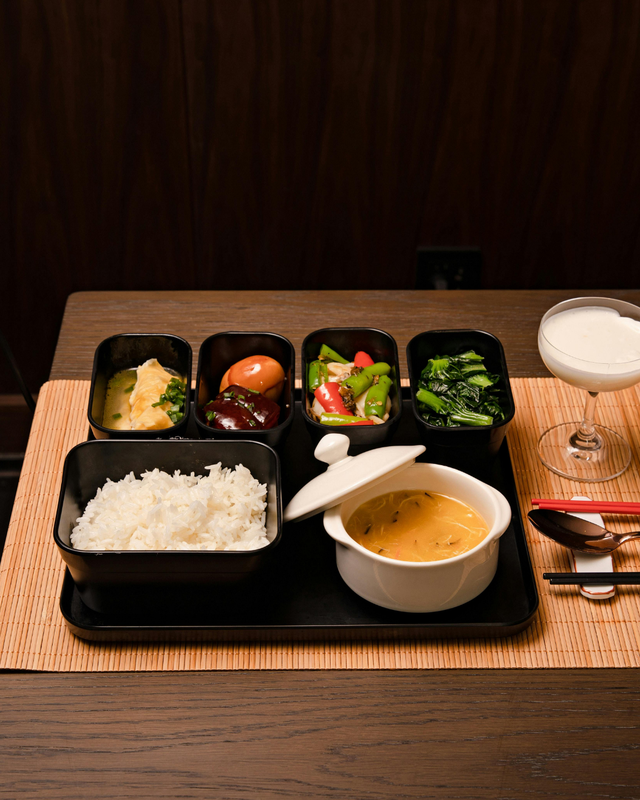
Meals focused on vegetables, soups, salads, and moderate portions of protein may place less digestive demand on the body compared to large, heavy meals consumed immediately before bed.
The goal is not necessarily restriction. The goal is to provide adequate nutrition while allowing the body to transition more effectively into its overnight recovery state
Paying attention to how you feel after different meal sizes and timings can provide valuable insights into your own sleep patterns and recovery capacity.
At Spinewise, we recognise that sleep, nutrition, blood sugar regulation, and recovery are closely interconnected. If you are struggling with poor sleep, overnight awakenings, fatigue, or feeling unrefreshed despite spending enough time in bed, book an appointment with the Spinewise team to explore the factors that may be influencing your sleep and recovery.
Frequently Asked Questions

For some people, large meals close to bedtime may interfere with sleep quality by increasing digestive activity during the night.
Many people find that consuming more of their daily calories earlier in the day aligns better with their activity levels and may support better sleep quality. Individual needs can vary.
A large evening meal may contribute to digestive discomfort, reflux, elevated metabolic activity, or disrupted sleep in some individuals.
Many people tolerate lighter meals in the evening, such as vegetables, soups, salads, and moderate portions of protein. Individual responses can vary depending on health status and nutritional needs.
There is no single recommendation that applies to everyone, as individual responses to food timing vary. A commonly discussed guideline is to allow two to three hours between your last meal and bedtime, which may give the digestive system time to process the meal before sleep begins. However, this is a general principle rather than a fixed rule, and the size and composition of the meal also matter. If late eating consistently affects your sleep, it may be worth experimenting with earlier meal times and noting how your sleep quality responds.
At Spinewise, we assess factors that may influence sleep quality, including nutrition, blood sugar regulation, nervous system function, recovery capacity, breathing patterns, and overall health. This helps identify potential contributors to poor sleep and ongoing fatigue.