





Could Alzheimer’s Disease Be Linked to “Type 3 Diabetes”?
Over recent years, increasing research has explored the connection between blood sugar regulation, insulin resistance, and brain health. Some researchers have even referred to Alzheimer’s disease as “type 3 diabetes” because of the strong relationship being observed between impaired insulin signalling and cognitive decline. While the term remains controversial and is not an official diagnosis, the growing link between metabolic health and brain function is becoming difficult to ignore.

The brain has an enormous demand for energy and relies heavily on glucose to function properly. Insulin helps regulate how cells utilise glucose for fuel, including cells within the brain. When insulin resistance develops, brain cells may become less responsive to insulin signalling, potentially impairing energy production and contributing to inflammation, oxidative stress, and neurological dysfunction.
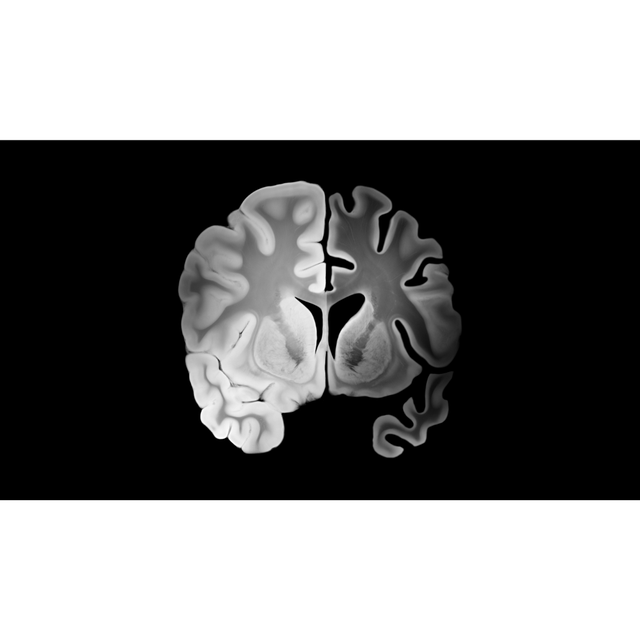
Researchers are increasingly investigating what is known as brain insulin resistance. Some studies suggest this may affect areas of the brain involved in learning, memory, and cognitive processing, including the hippocampus. Over time, impaired insulin signalling may contribute to the accumulation of inflammatory changes and proteins associated with neurodegenerative disease.
One of the challenges is that insulin resistance often develops gradually over many years before obvious symptoms appear. Long before someone develops diabetes, they may experience fatigue, brain fog, poor concentration, sugar cravings, disrupted sleep, abdominal weight gain, low energy, or difficulty maintaining mental clarity. These subtle symptoms may reflect underlying metabolic stress occurring throughout the body and brain.
Lifestyle habits appear to play a major role in this process. Diets high in processed foods and refined carbohydrates, poor sleep quality, chronic stress, low physical activity, inadequate recovery, and nervous system dysregulation may all contribute to worsening insulin resistance over time. Modern lifestyles often create the perfect environment for chronic blood sugar instability and inflammation to develop gradually.
Importantly, Alzheimer’s disease is complex and influenced by many factors including genetics, inflammation, cardiovascular health, environmental exposures, sleep quality, stress physiology, and metabolic function. Even researchers supportive of the “type 3 diabetes” concept acknowledge that insulin resistance is likely one contributing factor rather than the sole cause of Alzheimer’s disease.

The encouraging part is that metabolic health is often highly responsive to lifestyle changes. Supporting healthier blood sugar regulation through improved nutrition, better sleep quality, regular movement, stress management, nervous system regulation, and recovery strategies may help support both brain and body function over time.
At Spinewise, we take a broader approach to neurological and metabolic health by looking at how factors such as blood sugar regulation, sleep quality, stress physiology, recovery capacity, and lifestyle habits may be influencing overall wellbeing. If you have been experiencing brain fog, memory concerns, fatigue, poor concentration, sugar cravings, or signs of blood sugar dysregulation, book an appointment with my team at Spinewise to explore factors that may be contributing to these symptoms and support healthier neurological and metabolic function.
Citations
- de la Monte SM, Wands JR. Alzheimer’s Disease is Type 3 Diabetes–Evidence Reviewed. Journal of Diabetes Science and Technology. 2008;2(6):1101-1113.
- Arnold SE, Arvanitakis Z, Macauley-Rambach SL, et al. Brain insulin resistance in type 2 diabetes and Alzheimer disease: concepts and conundrums. Nature Reviews Neurology. 2018;14(3):168-181.
- Kellar D, Craft S. Brain insulin resistance in Alzheimer’s disease and related disorders: mechanisms and therapeutic approaches. The Lancet Neurology. 2020;19(9):758-766.
- Biessels GJ, Despa F. Cognitive decline and dementia in diabetes mellitus: mechanisms and clinical implications. Nature Reviews Endocrinology. 2018;14(10):591-604.
- Ferreira LSS, Fernandes CS, Vieira MNN, De Felice FG. Insulin Resistance in Alzheimer’s Disease. Frontiers in Neuroscience. 2018;12:830.
Frequently Asked Questions

Some researchers use the term because of the growing evidence linking insulin resistance and impaired glucose metabolism within the brain to Alzheimer’s disease. However, the term is not officially recognised as a medical diagnosis.
Brain insulin resistance refers to reduced responsiveness of brain cells to insulin signalling, which may impair cellular energy production and contribute to inflammation and cognitive dysfunction.
Yes. Chronic blood sugar dysregulation and insulin resistance may contribute to brain fog, reduced concentration, poor memory, fatigue, and increased neurological stress.
Common symptoms may include fatigue, sugar cravings, abdominal weight gain, poor concentration, brain fog, disrupted sleep, low energy, and difficulty losing weight.
Emerging research suggests that improving blood sugar regulation, sleep quality, movement, nutrition, and stress management may help support healthier neurological and cognitive function over time.