





Is Stretching Really Improving Your Flexibility?
Stretching has long been promoted as the key to improving flexibility, mobility, and injury prevention. For decades, people have assumed that if they feel tight, the answer is to stretch the muscles that feel restricted. But what if tightness is not actually a muscle problem at all?
At Spinewise, we often see people who have spent months or even years stretching without achieving lasting improvements. In many cases, the body is not limiting movement because tissues are physically short. Instead, the brain may be creating protective restrictions for reasons that have little to do with muscle length.
Why Feeling Tight Does Not Always Mean You Need Stretching
When a muscle feels tight, most people assume the tissue itself is shortened. While this can happen in some situations, the body often creates tension as a protective mechanism.
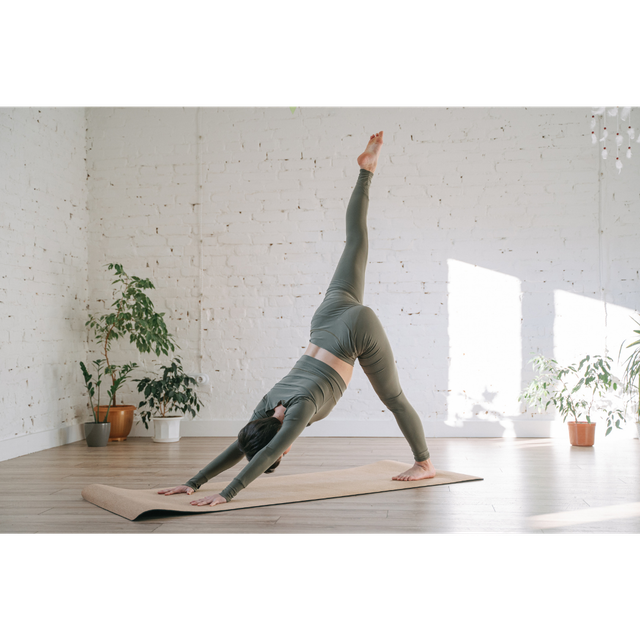
Your nervous system constantly monitors information from your joints, muscles, balance system, eyes, and other sensory inputs. If the brain perceives instability, poor control, injury risk, or a lack of safety, it may intentionally limit movement by increasing muscle tension.
This means the sensation of tightness may actually be a neurological response rather than a structural one. In these situations, repeatedly stretching the area may provide temporary relief, but it often fails to address the underlying reason the restriction exists.
Mobility and Stability Work Together
One of the most important principles in human movement is that mobility and stability are closely connected.
From a physics and biomechanics perspective, increasing mobility without maintaining adequate stability can create new problems. The body needs enough movement to function efficiently, but it also needs control.
Think about a joint that becomes excessively mobile. While it may move further, it often becomes less stable and more reliant on surrounding muscles to provide support. The nervous system recognises this and may respond by increasing muscle tension to protect the area.
This is one reason why some people stretch every day but continue to feel tight. The body may simply be restoring the stability that it feels is being lost.
Why Movement Is Different From Stretching
This does not mean movement is bad. In fact, movement is one of the most powerful tools for improving function and reducing stiffness.
Activities such as yoga, controlled mobility exercises, walking, strength training, and coordinated movement patterns provide the brain with valuable sensory information while also developing control.
The key difference is that movement combines mobility with stability. Rather than forcing a muscle into a longer position, movement teaches the nervous system how to safely use that range of motion.
This is why many people feel better after activities that involve coordinated movement compared to prolonged static stretching. The brain gains confidence in the movement, which can reduce the need for protective tension.

Looking Beyond the Muscle
When flexibility does not improve despite regular stretching, it may be worth asking a different question.
Instead of asking, “Which muscle is tight?” it may be more useful to ask, “Why is my body creating this restriction?”
Factors such as joint function, posture, balance, vision, previous injuries, stress, nervous system regulation, and movement control can all influence flexibility. Addressing these underlying contributors often produces more lasting changes than simply stretching harder or longer.
At Spinewise, we look beyond the site of discomfort and investigate the factors that may be influencing movement patterns throughout the body. Understanding why the body is creating restriction can help guide a more effective approach to improving mobility, flexibility, and overall function, in some cases. If you have been stretching for months without seeing lasting results, it may be time to look at what is driving the restriction in the first place. Book an appointment with the Spinewise team to discover what may be limiting your movement and flexibility.
Frequently Asked Questions

Stretching can temporarily increase range of motion, but long-term flexibility improvements often depend on factors such as nervous system regulation, joint function, strength, and movement control.
Tightness is not always caused by short muscles. The brain may create muscle tension as a protective response to instability, poor movement control, stress, or other underlying factors.
Not necessarily. Stretching can be useful in some situations and may provide temporary relief. The problem arises when stretching is treated as the only solution without understanding why the restriction exists.
Yoga often combines movement, balance, strength, breathing, and coordination. These elements provide more sensory input to the nervous system than static stretching alone, which may explain why many people experience greater benefits.
This varies significantly between individuals and depends on the underlying cause of restriction. If tightness is primarily neurological, addressing movement control and stability may produce noticeable changes relatively quickly for some people. If structural or joint-related factors are involved, improvement may take longer and benefit from professional guidance. A thorough assessment can help identify what is driving the restriction and set realistic expectations.
At Spinewise, we assess factors that may be contributing to restricted movement, including posture, balance, nervous system function, movement patterns, and musculoskeletal health. By identifying the underlying drivers of restriction, we can help develop a more targeted approach to improving mobility and function.