





Why Does the Inner Quad Often Get Blamed for Knee Pain?
Anterior knee pain — pain around the front of the knee — is often attributed to the inner portion of the quadriceps not working properly. If you have experienced this type of discomfort, you may have been told that the muscles around your kneecap are out of balance, with the inner quad appearing less active than the muscles on the outside of the thigh.
This pattern is so common that many clinicians and rehabilitation professionals encounter it regularly. But why does it happen, and does it mean the muscle is simply weak?
At Spinewise, we often find that knee pain is more complex than a straightforward strength problem. While muscle function certainly plays a role, the way muscles are activated and coordinated may be just as important.
Understanding the Balance Around the Kneecap
The kneecap relies on a balance of forces from the muscles surrounding the knee.
When these muscles work together efficiently, the patella glides smoothly during activities such as walking, running, climbing stairs, squatting, and lunging. However, if this balance becomes disrupted, the kneecap may begin moving less efficiently.
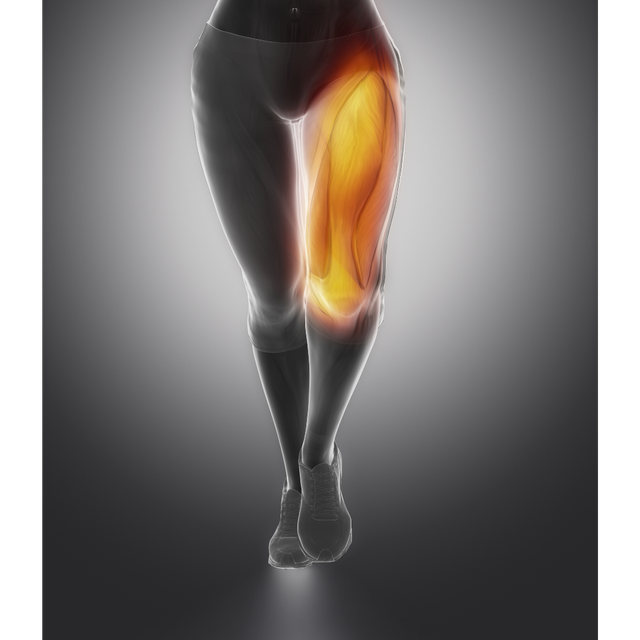
A common pattern involves the muscles on the outside of the thigh becoming more dominant while the muscles on the inside struggle to contribute effectively. This imbalance can influence how forces are distributed through the front of the knee.
Over time, repetitive loading may irritate the tissues around the patellofemoral joint and contribute to discomfort.
Is It Really Just a Weak Muscle?
The obvious assumption is that the inner portion of the quadriceps must simply be weak. However, the consistency of this pattern raises an interesting question.
If weakness alone was responsible, why does the same pattern appear so frequently in different people?
Increasingly, clinicians are recognising that muscle activation and movement control may be just as important as muscle size. A muscle can appear normal in size yet still fail to contribute effectively during movement.
This is where the nervous system becomes important. The brain coordinates the timing and recruitment of muscles throughout the body. If those activation patterns become altered, the balance between muscle groups may change even when overall strength remains adequate.
Why Running, Squats, and Stairs Can Make It Worse
Activities that repeatedly load the knee often expose these movement imbalances.
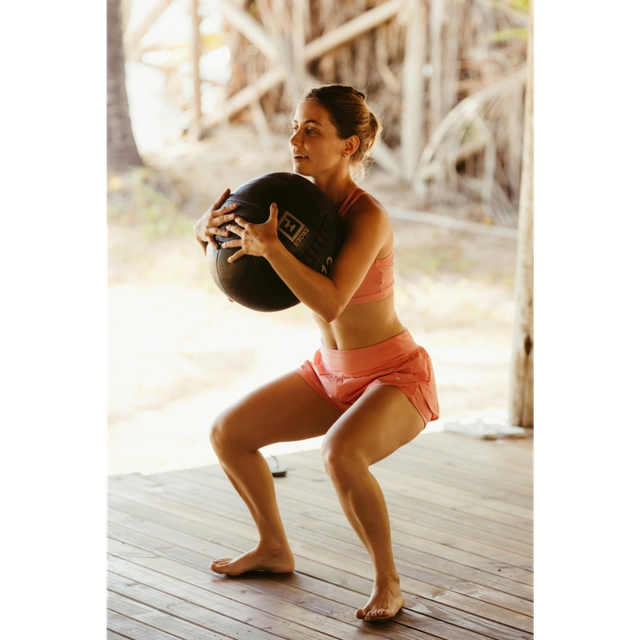
Running, stair climbing, squats, lunges, and other repetitive lower-body exercises require thousands of contractions from the quadriceps. If the kneecap is not moving efficiently, every repetition can add a small amount of stress to the system.
Initially, symptoms may be mild. However, as loading continues, irritation can build and pain may become more noticeable.
This is why many people report that their knee feels fine at rest but becomes sore during or after exercise. The issue is often related to how the knee handles repeated loading rather than a single movement or event.
Looking Beyond the Knee Itself
While the quadriceps and kneecap deserve attention, they are rarely operating in isolation.
Hip function, foot mechanics, balance, coordination, fatigue, movement patterns, and nervous system regulation can all influence how the muscles around the knee perform. Focusing solely on strengthening one muscle may overlook important contributors elsewhere in the system.
Understanding why the imbalance exists often provides more valuable information than simply identifying which muscle appears underactive.
At Spinewise, we assess movement patterns, muscle activation, balance, coordination, and nervous system influences that may contribute to ongoing knee pain. If you are experiencing anterior knee pain during running, stair climbing, squats, or gym training, book an appointment with the Spinewise team to help identify the factors influencing how your knee moves and functions.
Frequently Asked Questions

Anterior knee pain refers to discomfort at the front of the knee, often around or behind the kneecap. It is commonly aggravated by running, stairs, squatting, and prolonged sitting.
In some cases, the inner portion of the quadriceps may not activate as efficiently as the surrounding muscles. This may be influenced by movement patterns, nervous system control, fatigue, or previous injury.
In many cases, yes. Imbalances between the muscles on the inside and outside of the thigh may influence how the kneecap moves during activity and can contribute to irritation over time. The degree to which this occurs varies between individuals, which is why assessment is important.
Repetitive loading activities can place increased stress on the kneecap and surrounding tissues, particularly if movement efficiency or muscle activation patterns are altered.
Patellofemoral pain specifically involves the joint between the kneecap and the femur (thigh bone). It tends to be aggravated by activities that compress or load the front of the knee, such as squatting, stair climbing, running, and sitting for prolonged periods. General knee pain is a broader term that may involve any structure within or around the joint. Identifying the specific tissues and contributing factors involved is an important step in guiding the most appropriate approach to management.
At Spinewise, we assess muscle function, movement control, balance, coordination, fatigue resistance, and nervous system influences that may contribute to knee pain. This helps identify factors that may be affecting how your knee performs during everyday activities and exercise.