





Are ACL Injuries Just a Strength Problem? What New Research Is Revealing
ACL injury prevention has long focused heavily on muscle strength. The assumption was simple: stronger muscles create more stable joints, reducing injury risk. While strength remains important, emerging research suggests there may be much more to the story.
At Spinewise, we are seeing increasing interest in how the brain, balance systems, proprioception, and movement control influence injury risk. In particular, ACL injuries are highlighting the important relationship between the nervous system and physical performance.
What Is an ACL Injury?
The anterior cruciate ligament (ACL) is one of the major stabilising ligaments within the knee.
ACL injuries commonly occur during activities that involve rapid changes of direction, jumping, landing, pivoting, or high-speed athletic movements. Sports such as football, soccer, basketball, netball, skiing, and rugby often have higher rates of ACL injuries because of the physical demands placed on the knee.
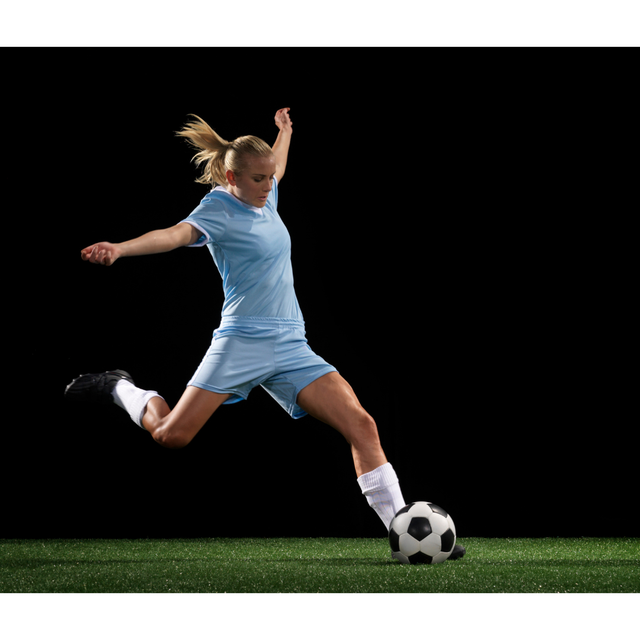
Traditionally, prevention programs have focused on improving strength, flexibility, and conditioning. While these remain valuable components, researchers are increasingly recognising that movement control may be equally important.
The Brain’s Role in Movement and Injury Risk
Every movement you perform is coordinated by the brain.
Before you change direction, land from a jump, or accelerate into a sprint, your nervous system must process information from your eyes, balance organs, joints, muscles, and surrounding environment. This information allows the brain to determine where the body is positioned and how it should move.
This process is known as proprioception, often described as the body’s awareness of position and movement.
When proprioceptive systems function efficiently, movement tends to be smoother, more coordinated, and more stable. When these systems become less efficient, movement quality may be affected, potentially increasing stress on tissues and joints.
This growing understanding has led researchers to investigate whether nervous system factors may influence ACL injury risk both before and after injury occurs.
Why ACL Rehabilitation Is About More Than the Knee
One of the most significant findings in modern ACL rehabilitation is that recovery extends beyond healing the ligament itself.
Following an ACL injury, changes can occur in balance, proprioception, movement patterns, and motor control. Even after the ligament has healed or been surgically repaired, the nervous system may continue to process movement differently.
This is one reason why many rehabilitation programs now incorporate balance training, coordination drills, reaction-based exercises, and neuromuscular retraining alongside traditional strength work.
The goal is not only to restore physical capacity but also to improve the body’s ability to coordinate movement efficiently under real-world conditions.
What This Means for Everyday Knee Problems
While ACL injuries attract considerable attention, they represent only a small percentage of the knee complaints seen in everyday clinical practice.
Most people are far more likely to experience issues related to movement patterns, muscle function, fatigue, coordination, and repetitive loading than a major ligament rupture. However, the lessons learned from ACL research are valuable because they reinforce an important concept: movement is not controlled by muscles alone.
The brain, nervous system, balance mechanisms, and proprioceptive pathways all contribute to how efficiently the body moves.
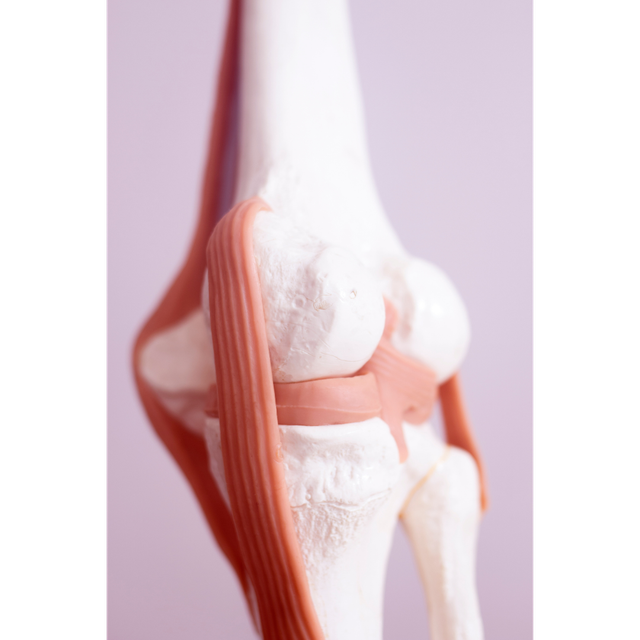
Understanding these relationships may help explain why some people continue to experience pain, instability, or performance limitations despite focusing solely on strength training.
At Spinewise, we assess movement from a whole-body perspective, considering muscle function, balance, coordination, nervous system influences, and movement control alongside traditional musculoskeletal factors. If you are experiencing recurring knee pain, instability, reduced confidence in movement, or ongoing performance limitations, book an appointment with the Spinewise team to help identify the factors that may be influencing how your body moves and performs.
Frequently Asked Questions

An ACL injury involves damage to the anterior cruciate ligament, one of the major stabilising ligaments within the knee. These injuries commonly occur during sports involving jumping, landing, pivoting, and rapid changes of direction.
Muscle weakness can contribute to injury risk, but modern research suggests that movement control, balance, coordination, proprioception, and nervous system function may also play important roles.
Proprioception is the body’s ability to sense its position and movement in space. It helps the brain coordinate balance, posture, and efficient movement.
Balance training helps retrain proprioceptive pathways and movement control systems that may be affected following an ACL injury, and may support a more complete recovery alongside other rehabilitation approaches.
Recovery time following an ACL injury varies considerably depending on factors such as the severity of the injury, whether surgery is required, the individual’s overall health, and how comprehensively rehabilitation addresses both physical and neuromuscular factors. Non-surgical management may allow return to activity sooner in some cases, while surgical reconstruction is typically followed by a rehabilitation period of nine months or more before return to high-level sport. These timelines are general guides and individual outcomes differ — a thorough assessment with your treating practitioner is the best way to establish realistic expectations.
At Spinewise, we assess factors such as movement patterns, muscle function, balance, coordination, proprioception, and nervous system influences that may contribute to knee pain, instability, or reduced performance. This helps guide a more comprehensive approach to improving movement and function.