





What Your Overnight Heart Rate Can Reveal About Your Sleep
Your heart rate during sleep can offer useful clues about how well your body is recovering overnight. Wearable devices have made it easier than ever to track health metrics at home. Many people regularly monitor steps, activity levels, sleep duration, and heart rate without fully understanding what the data may be telling them.
One of the most interesting patterns seen in sleep tracking is overnight heart rate behaviour. While heart rate naturally changes throughout the night, certain patterns may provide clues about recovery, nervous system function, and sleep quality.
At Spinewise, we often discuss how physiological markers can offer insights into what is happening behind the scenes. While wearable devices are not diagnostic tools, they can sometimes help people identify patterns that may warrant further investigation.
What Normally Happens to Heart Rate During Sleep?
During healthy sleep, heart rate generally decreases as the body shifts into a recovery state.
As the nervous system moves away from daytime demands, the parasympathetic nervous system becomes more active, promoting rest, repair, and recovery. This often results in a gradual reduction in heart rate during the early part of the night.

However, sleep is not a static process. Throughout the night, the body cycles through different sleep stages, each associated with unique physiological changes.
These changes can influence heart rate patterns and provide information about how effectively the body is recovering.
Understanding the Overnight Heart Rate Pattern
Many sleep specialists and researchers observe that heart rate often reaches its lowest point during the night before beginning to rise again towards morning.
This overnight low point is sometimes referred to as the “heart rate nadir” and is often associated with the body’s deepest recovery phases.
When this pattern occurs, it may suggest that the body is transitioning normally through its various sleep stages and preparing for wakefulness as morning approaches.
In contrast, some people notice a different pattern where heart rate continues to decline throughout the entire night and reaches its lowest point immediately before waking.
While this does not automatically indicate a problem, it may suggest that recovery, metabolic regulation, nervous system balance, or sleep quality could be less than optimal.
Factors That Can Influence Overnight Heart Rate
Many factors can affect heart rate patterns during sleep.
Late-night exercise, heavy evening meals, alcohol consumption, stress, poor sleep quality, illness, recovery demands, and disruptions to circadian rhythms can all influence overnight physiology.
If the body remains under greater physiological demand during the evening, it may take longer to enter a full recovery state. This can alter the normal overnight heart rate pattern and affect how refreshed someone feels the next day.
Looking at heart rate trends over time is often more useful than focusing on a single night’s data.
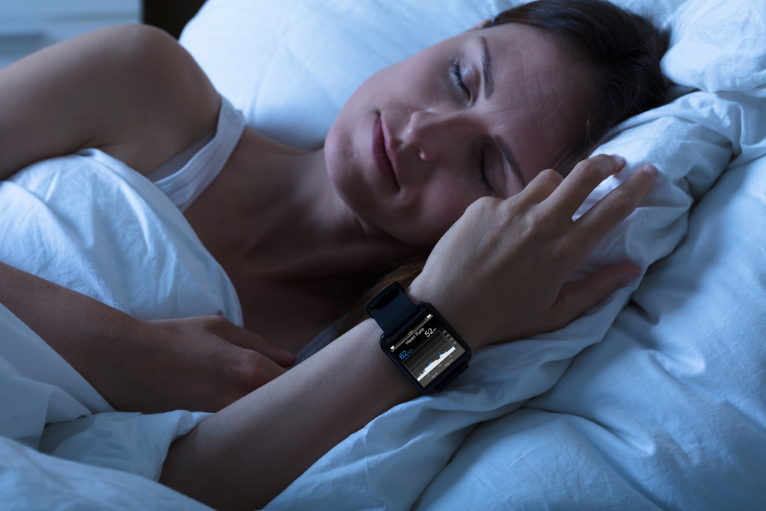
Using Wearables to Better Understand Recovery
One of the benefits of wearable technology is the ability to identify recurring patterns.
If you consistently wake feeling tired, struggle with recovery, or notice unusual overnight heart rate trends, your wearable device may provide useful information about what your body is doing during sleep.
The goal is not to obsess over numbers but to use them as another piece of the puzzle when assessing sleep quality and overall health.
Patterns that persist over weeks or months may offer valuable insights into factors affecting recovery and nervous system function.
At Spinewise, we recognise that sleep quality, nervous system regulation, recovery, and metabolic health all play important roles in overall wellbeing. If you’re experiencing persistent fatigue, poor recovery, disrupted sleep, or unusual wearable data that concerns you, book an appointment with the Spinewise team to explore the factors that may be influencing your health and recovery.
Frequently Asked Questions

Heart rate generally decreases during sleep as the body enters recovery mode. It often reaches a low point during the night before gradually rising towards morning.
A heart rate nadir is the lowest heart rate reached during sleep. It is commonly used as a marker of overnight recovery and autonomic nervous system activity.
Wearable devices can provide useful trends and insights into heart rate, sleep duration, and recovery patterns, although they should not be considered diagnostic tools.
For many people, yes. Late-night exercise may increase physiological arousal and influence overnight heart rate patterns, particularly if recovery demands remain elevated into the evening. Individual responses can vary depending on fitness level, exercise intensity, and overall health.
There is no single number that defines a “normal” sleeping heart rate, as it varies considerably between individuals based on age, fitness level, health status, and other factors. As a general reference, resting heart rate during sleep is often lower than daytime resting heart rate, and many adults experience a sleeping heart rate somewhere between 40 and 70 beats per minute. Athletes may have lower sleeping heart rates than the general population. What is more informative than any single number is the trend over time — consistent patterns of elevated overnight heart rate, or heart rate that does not follow the typical overnight recovery curve, may be worth discussing with a qualified health practitioner.
At Spinewise, we assess factors that may influence sleep quality, nervous system function, recovery capacity, stress responses, blood sugar regulation, breathing patterns, and overall health. This helps identify potential contributors to fatigue, poor recovery, and disrupted sleep.