





Why Your Body Fights Colds and Infections Differently
Dr Trevor Chetcuti, B.Chiro.Sc, B.App.Sc (Clin), DIBAK, CNET | Clinical Director, Spinewise Maidstone
Cold and flu season brings a lot of talk about “germs,” but bacteria and viruses are actually very different things — and your body deals with each of them in a different way. Understanding the difference helps explain why colds and infections don’t all behave, or resolve, the same way.
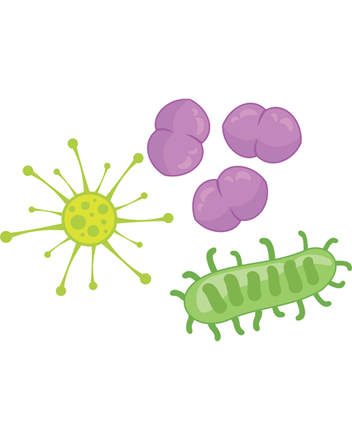
Bacteria: Living Organisms With Their Own Agenda
Bacteria are living, single-celled organisms. As Trevor explains: “Bacteria is a living organism. We’ll call it a creature of sort, a cellular organism that is trying to survive just like everybody else on the planet.” Bacteria can reproduce on their own and survive in a huge range of environments — some are harmless or even beneficial, while others can cause illness when they multiply somewhere in the body they shouldn’t.
Viruses: Not Quite “Alive” in the Same Way
Viruses work quite differently. As Trevor puts it: “Viruses aren’t really living organisms. They’re just kind of like pieces of genetic material that are floating around in the air that we breathe in. They get into ourselves, they mix with our own genetic material, and we start producing them as if they were our own — until our immune systems go, ‘hang on, this is an us,’ and shut the cell down.” Rather than reproducing independently like bacteria, viruses rely on hijacking your own cells to make copies of themselves.
How Your Immune System Tells the Difference
Because bacteria and viruses behave so differently, your immune system responds to each in different ways. Recognising an infected cell that’s been taken over by a virus is a different job to identifying bacteria multiplying in the body, which is part of why symptoms, illness duration and appropriate treatment can vary so much between a bacterial and a viral infection.
Why This Distinction Matters
This is also part of why not every infection responds the same way to the same approach. A viral infection generally has to run its course as your immune system clears infected cells, while bacterial infections are the kind that may sometimes need antibiotic treatment from your GP. If you’re ever unsure which you’re dealing with, that’s a conversation for your doctor, particularly if symptoms are severe, persistent or getting worse.

Supporting Your Body Through Cold and Flu Season
While no single habit prevents illness, general things like getting adequate sleep, eating well, staying hydrated and paying attention to factors like vitamin D levels are sensible, general ways to support your body through the colder months when colds and flu are more common.
When to Get It Checked
If you’re feeling run down this cold and flu season and want a broader look at your overall health and wellbeing, our Maidstone clinic offers thorough assessments to help understand what might be contributing. You can book online or call us on (03) 9318 7758. If you have concerning or worsening symptoms, please see your GP.
Frequently Asked Questions

No. Antibiotics work against bacteria, not viruses. Taking antibiotics for a viral infection won’t help and isn’t appropriate — always follow your GP’s guidance on this.
This varies depending on the virus, but many common viral infections resolve within one to two weeks as the immune system clears the infected cells. If symptoms persist well beyond this, it’s worth seeing your GP.
General habits like adequate sleep, good nutrition and hydration are sensible, broadly supportive measures, though they aren’t a guarantee against getting sick.
No referral is needed. You can book directly with our team, and we recommend bringing any relevant medical reports to your first visit.

About the Author
Dr Trevor Chetcuti, B.Chiro.Sc, B.App.Sc (Clin), DIBAK, CNET
Dr Trevor Chetcuti is Clinical Director at Spinewise in Maidstone, holding dual degrees in Chiropractic and Clinical Science from RMIT University and a Teaching Diplomate in Applied Kinesiology through the International College of Applied Kinesiology (ICAK). He is chairman of ICAK International’s Board of Research and Standards and has spent over 20 years helping patients work through complex health, neurological and pain-related concerns.