





Why Focusing Feels Harder Than It Used To
If sitting down to focus on one thing feels harder than it used to, you’re far from alone. It’s a common complaint, and part of the conversation around it involves how much time we’re spending on screens — and what that might mean for the parts of the brain responsible for attention.
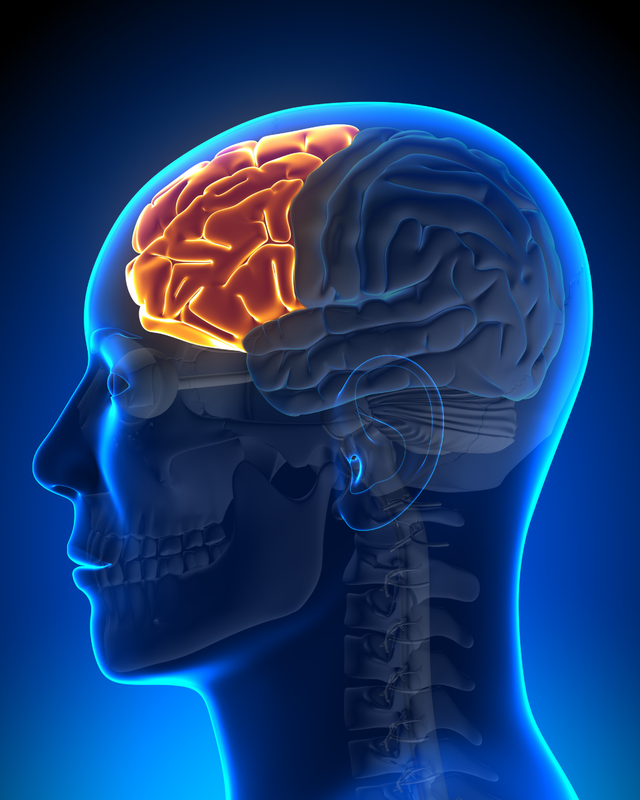
The Frontal Lobe: Your Brain’s Focus Centre
The frontal lobe is heavily involved in what’s often called executive function — things like sustained attention, concentration, planning and impulse control. It’s essentially the part of the brain doing the work when you sit down and genuinely focus on a task rather than jumping between distractions.
What the Research Is Exploring
There’s a growing body of research looking at how screen time and frequent digital switching might relate to frontal lobe function and attention. Some studies suggest associations between heavy or fragmented screen use and difficulties with sustained attention, though it’s worth being upfront that this remains an active, still-developing area of research rather than a settled conclusion.

What the Research Is Exploring
There’s a growing body of research looking at how screen time and frequent digital switching might relate to frontal lobe function and attention. Some studies suggest associations between heavy or fragmented screen use and difficulties with sustained attention, though it’s worth being upfront that this remains an active, still-developing area of research rather than a settled conclusion.
Why This Is Hard to Prove Definitively
Research in this area faces real challenges — it’s difficult to separate cause from effect (does screen use reduce attention, or do people with naturally shorter attention spans use screens differently?), and individual factors like sleep, stress and overall lifestyle all play a role too. This doesn’t mean the research isn’t worth paying attention to, but it does mean it’s reasonable to hold the findings with some caution rather than treating them as fully proven.
Practical Signs Worth Noticing
Regardless of what the research eventually confirms, it’s worth noticing your own experience. Do you find it harder to sit with a single task without reaching for your phone? Does a quiet, unstimulated moment feel uncomfortable rather than restful? These are worth reflecting on, separate from any broader research conclusions.
What Might Help
General strategies that are commonly discussed for supporting focus include building in deliberate breaks from screens, practising single-tasking rather than switching between multiple things, and prioritising good sleep, which we’ve covered in previous posts as foundational to brain function generally. None of these are guaranteed fixes, but they’re sensible, low-risk habits to experiment with.
When to Get It Checked
If you’re dealing with ongoing difficulty concentrating, brain fog or restlessness, and want a broader look at your overall health and lifestyle, our Maidstone clinic offers thorough assessments. You can book an appointment or call us on (03) 9318 7758.
Frequently Asked Questions

This hasn’t been definitively established. Research is actively exploring associations between screen time and attention-related brain function, but it’s an evolving area, not a settled fact.
Studies in this area often can’t fully separate cause from effect, and many other factors — sleep, stress, individual differences — also influence attention, making it hard to isolate screens as the sole cause.
Noticing your own patterns — like discomfort with quiet, unstimulated moments — is a reasonable starting point, alongside general habits like screen breaks and good sleep.
No referral is needed. You can book directly with our team, and we recommend bringing any relevant medical reports to your first visit.

About the Author
Dr Trevor Chetcuti, B.Chiro.Sc, B.App.Sc (Clin), DIBAK, CNET
Dr Trevor Chetcuti is Clinical Director at Spinewise in Maidstone, holding dual degrees in Chiropractic and Clinical Science from RMIT University and a Teaching Diplomate in Applied Kinesiology through the International College of Applied Kinesiology (ICAK). He is chairman of ICAK International’s Board of Research and Standards and has spent over 20 years helping patients work through complex health, neurological and pain-related concerns.