





Why Your Feet Matter More Than You'd Think for Balance
When people think about balance, the feet aren’t usually the first thing that comes to mind — the inner ear tends to get all the attention. But sensory input from your feet is one of the three systems involved in balance, and in clinical experience, it’s often one of the more overlooked pieces of the puzzle.
The Feet: An Often-Overlooked Piece of the Balance Puzzle
Your feet constantly send your brain information about where your weight is, what kind of surface you’re standing on, and how stable that surface feels. This is called proprioception — your body’s sense of its own position in space. Alongside the vestibular system and vision, this input helps your brain work out how to keep you upright and steady.
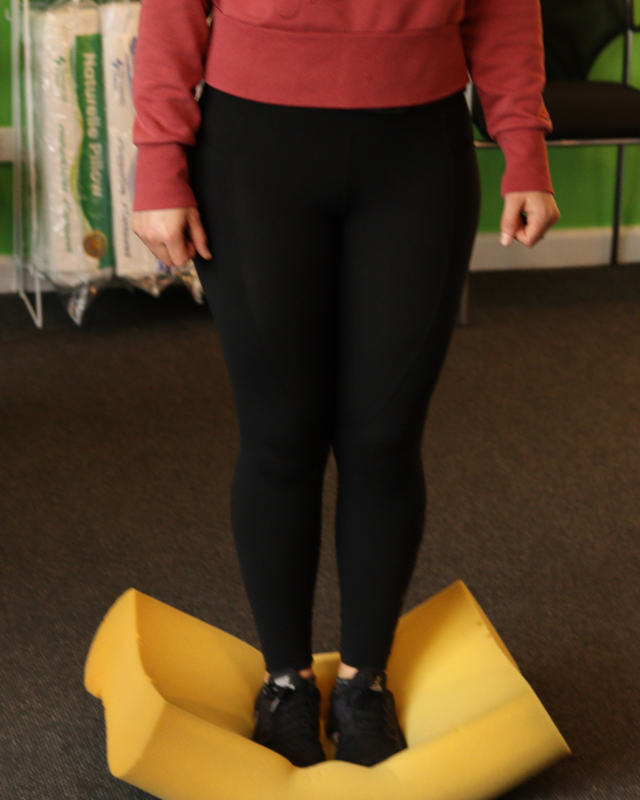
What Proprioceptive Exercises Involve
Proprioceptive exercises are generally simple, low-tech drills designed to challenge and support this sensory feedback system — things like balancing on unstable or uneven surfaces, standing on one leg, or practising controlled movement without relying heavily on vision. The idea is to give the feet more useful information to work with, rather than something complex or high-tech.
In clinical experience, addressing how well the feet are functioning — through this kind of exercise — is often one of the more overlooked pieces of the puzzle when it comes to balance-related concerns, even though the approach itself is fairly simple.
Why This Simple Approach May Help
Proprioceptive and balance training exercises are a well-established part of balance rehabilitation generally, and for some people, targeting foot-based sensory input specifically may help support overall balance function as part of a broader plan. Results vary from person to person, and this kind of exercise is best approached as one part of an individualised plan rather than a stand-alone fix.
It’s Not a One-Size-Fits-All Fix
Not everyone’s balance concerns are primarily foot-related — for some people, the vestibular system or vision may be playing a bigger role. This is why a proper assessment matters before jumping into any particular exercise approach; proprioceptive work tends to be most useful when it’s targeted at what’s actually been identified as relevant for you.
How This Fits Into a Broader Care Plan at Spinewise
If assessment identifies that foot-based sensory input is a relevant factor for you, proprioceptive exercises may be included as part of your broader care plan, alongside whatever else your assessment points to. As with any exercise-based approach, consistency and appropriate progression matter, and your plan is tailored to what’s actually relevant to your case.
When to Get It Checked
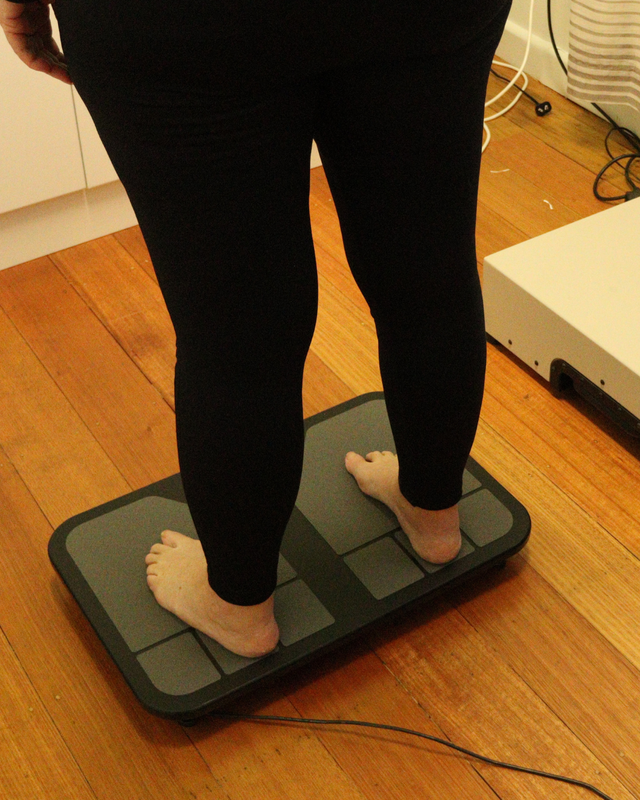
If you’re dealing with balance-related symptoms, a thorough assessment — including how well your feet are contributing to your balance — can help identify what’s relevant to you specifically. Our Maidstone clinic can help build a tailored plan. You can book online or call us on (03) 9318 7758.
Frequently Asked Questions

Not necessarily on their own, and results vary from person to person. They’re generally most useful as part of a broader, individualised plan based on what your assessment identifies.
No — many proprioceptive exercises are simple and low-tech, such as standing on an uneven surface or practising controlled balance without vision.
This is best worked out through a thorough assessment that looks at all three balance systems, rather than assuming it’s foot-related without testing.
No referral is needed. You can book directly with our team, and we recommend bringing any relevant scans, test results or specialist reports to your first visit.

About the Author
Dr Trevor Chetcuti, B.Chiro.Sc, B.App.Sc (Clin), DIBAK, CNET
Dr Trevor Chetcuti is Clinical Director at Spinewise in Maidstone, holding dual degrees in Chiropractic and Clinical Science from RMIT University and a Teaching Diplomate in Applied Kinesiology through the International College of Applied Kinesiology (ICAK). He is chairman of ICAK International’s Board of Research and Standards and has spent over 20 years helping patients work through complex health, neurological and pain-related concerns.