




Good Sleep Habits: Your First Line of Defence This Season
No matter what health topic comes up, the conversation always seems to circle back to the same thing: sleep. It’s not a coincidence — and if you’ve ever noticed you catch a cold right when you’re at your most run down, that’s a pattern worth paying attention to.
The Pattern That Keeps Coming Back: Sleep
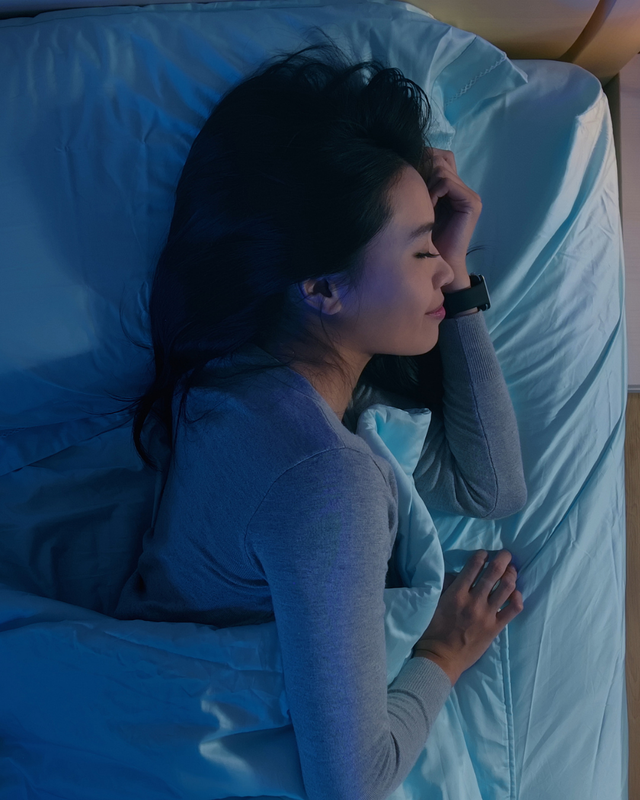
As Trevor puts it: “That’s amazing how often that just keeps coming back and back and back, isn’t it? Sleep, sleep, sleep. You always know the minute you run down, that’s when it comes out.” It’s a genuinely common observation — people often notice they get sick right around the time they’ve been sleeping poorly, working long hours, or generally pushing themselves without enough rest.
Why Getting Run Down Often Precedes Getting Sick
Sleep plays an important role in supporting normal immune function. When sleep is consistently disrupted or insufficient, your body has less opportunity for the recovery processes that happen during rest, which is generally understood to be part of why people tend to feel more vulnerable to getting sick during periods of poor sleep or high stress. This doesn’t mean poor sleep guarantees illness, or that good sleep guarantees you’ll avoid it — but it’s a meaningful, modifiable factor worth taking seriously.
What “Good Sleep Habits” Actually Means
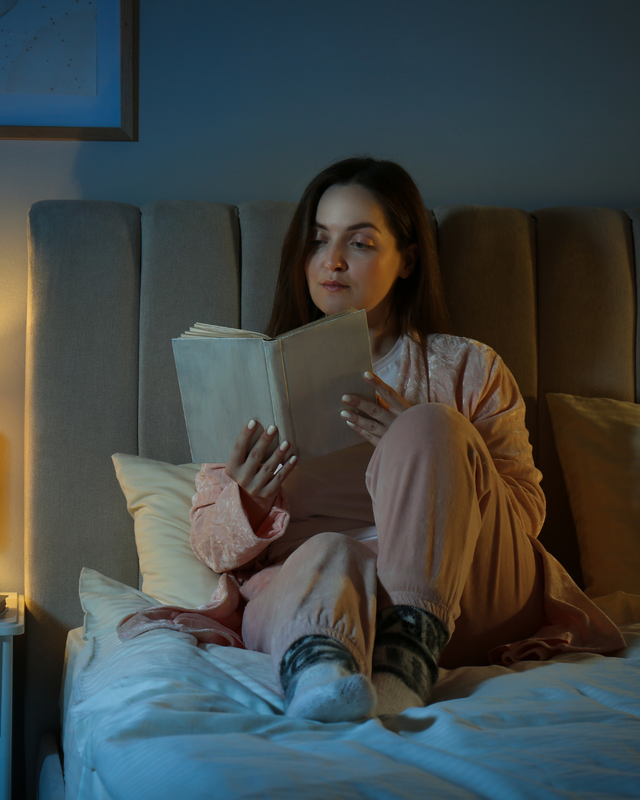
Good sleep habits aren’t complicated, even if they’re not always easy to maintain. They generally include a fairly consistent sleep and wake time, a wind-down routine before bed, limiting screens and stimulating activity close to bedtime, and a sleep environment that’s dark, cool and quiet. None of this is revolutionary, but consistency tends to matter more than any single tip.
Sleep Isn’t a Guarantee, But It’s a Foundation
As Trevor notes, if you’re maintaining good sleep habits, you’re generally less likely to need to deal with the consequences of running yourself down.It’s worth being clear this isn’t a guarantee against getting sick — plenty of factors are outside your control — but sleep is one of the more foundational, modifiable habits that tends to support your body more broadly, cold and flu season or not.
When to Get It Checked
If sleep has been a struggle for you, or you want a broader look at your overall health heading into cold and flu season, our Maidstone clinic offers thorough assessments that take lifestyle factors like sleep into account. You can book online or call us on (03) 9318 7758.
Frequently Asked Questions

Not directly — you still need exposure to a virus or bacteria to get sick. But poor sleep is generally understood to be a factor that can affect how well your body copes, alongside many other variables.
This varies by individual, but most adults generally need somewhere around 7 to 9 hours a night. If you’re consistently getting less and feeling it, that’s worth addressing.
Ongoing sleep difficulties are worth discussing with your GP, particularly if they’re persistent, as there can be a range of underlying contributors worth investigating.
No referral is needed. You can book directly with our team, and we recommend bringing any relevant medical reports to your first visit.

About the Author
Dr Trevor Chetcuti, B.Chiro.Sc, B.App.Sc (Clin), DIBAK, CNET
Dr Trevor Chetcuti is Clinical Director at Spinewise in Maidstone, holding dual degrees in Chiropractic and Clinical Science from RMIT University and a Teaching Diplomate in Applied Kinesiology through the International College of Applied Kinesiology (ICAK). He is chairman of ICAK International’s Board of Research and Standards and has spent over 20 years helping patients work through complex health, neurological and pain-related concerns.