





Zone 2 Training: Is It Just Aerobic Training With a New Name?
If you’ve spent any time in a gym or scrolling fitness content lately, you’ve probably heard the term “Zone 2” thrown around. Patients ask us about it constantly, and interestingly, it isn’t really a new concept at all.
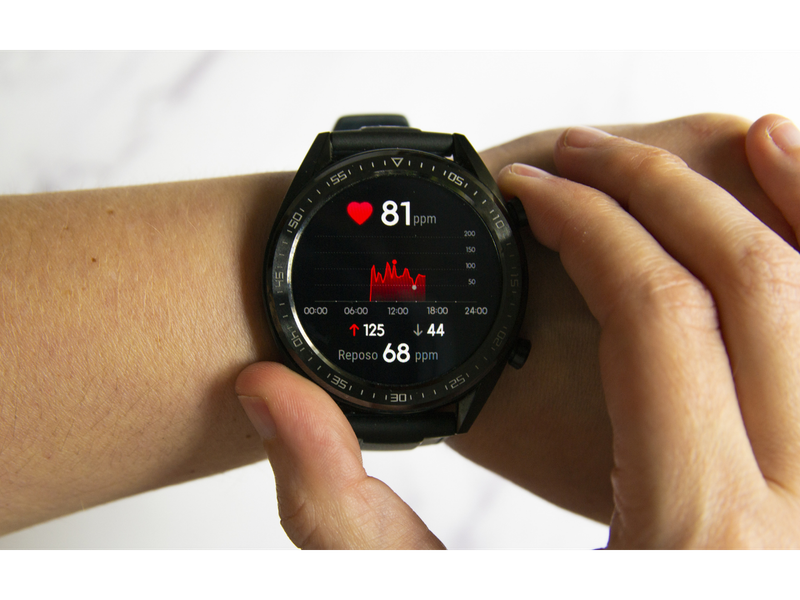
You Can Overtrain in Any Direction
It’s a common misconception that overtraining only happens with heavy lifting or high-intensity sessions. In reality, you can overtrain in any capacity, including purely aerobic work.
Overtraining isn’t about which type of exercise you do; it’s about the balance between the stress you put on your body and the recovery you give it afterward. When that balance tips too far toward stress, you start to see the classic signs: persistent fatigue, nagging aches, poor sleep, and a performance plateau despite training harder.
So What Is Zone 2, Exactly?
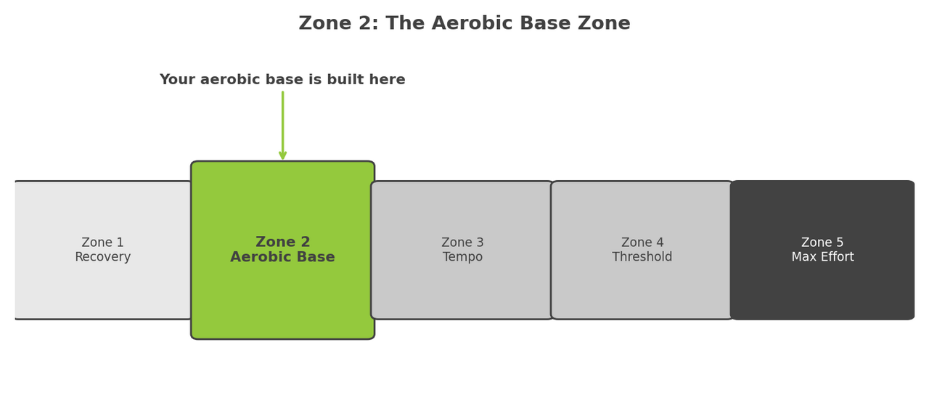
Zone 2 refers to a heart rate training zone, generally around 60-70% of your maximum heart rate, where you’re working aerobically at a pace that feels genuinely easy. You should be able to hold a conversation without gasping for breath. This is essentially what exercise physiologists and endurance coaches have always called aerobic base training.

The heart-rate-zone framing has simply made the concept more precise and more accessible, which is part of why it has taken off. When patients ask us “do you mean Zone 2?” after we mention aerobic training, the honest answer is: yes, it’s the same territory, just described with a bit more structure.
Why It Matters for Recovery
The appeal of Zone 2 work is that it lets you accumulate meaningful training volume while keeping the physiological cost low enough that your body can absorb it and adapt. That said, easy doesn’t mean effortless in the sense of doing as much as you like. Zone 2 sessions still count as training load on top of everything else in your week, and stacking hours of “easy” aerobic work onto an already full schedule can still tip you into overtraining territory.
Talk to Us About Your Training Balance
Whether you call it Zone 2 or aerobic base training, the goal is always balance: enough stress to drive adaptation, enough recovery to actually benefit from it.
If you’re training hard in any zone and starting to notice signs of overtraining, our team at Spinewise in Maidstone can help assess whether what you’re feeling is normal training fatigue or something that needs a closer look, alongside your broader nervous system and recovery capacity. You can book online or call us on (03) 9318 7758.
Frequently Asked Questions

It’s generally around 60-70% of your maximum heart rate, though the exact range varies by person. The simplest practical test is the “conversation pace” — you should be able to talk in full sentences without getting breathless.
Yes. Zone 2 is lower-cost per session than high-intensity work, but it’s still training load. Piling on hours of it without adjusting recovery can still push you into overtraining.
Zone 2 is a valuable base, not a complete program. Most people still benefit from some higher-intensity work for strength, power, and performance.
It depends on your goals, current training load, and recovery capacity — speak with one of our team about how it fits your overall training balance.

About the Author
Dr Trevor Chetcuti, B.Chiro.Sc, B.App.Sc (Clin), DIBAK, CNET
Dr Trevor Chetcuti is Clinical Director at Spinewise in Maidstone, holding dual degrees in Chiropractic and Clinical Science from RMIT University and a Teaching Diplomate in Applied Kinesiology through the International College of Applied Kinesiology (ICAK). He is chairman of ICAK International’s Board of Research and Standards and has spent over 20 years helping patients work through complex health, neurological and pain-related concerns.